Welcome to HongChang Aluminum CO., LTD.

Visit
Xin'an Industrial Assemble Region,Luoyang,Henan Province,China
Welcome to HongChang Aluminum CO., LTD.
Xin'an Industrial Assemble Region,Luoyang,Henan Province,China

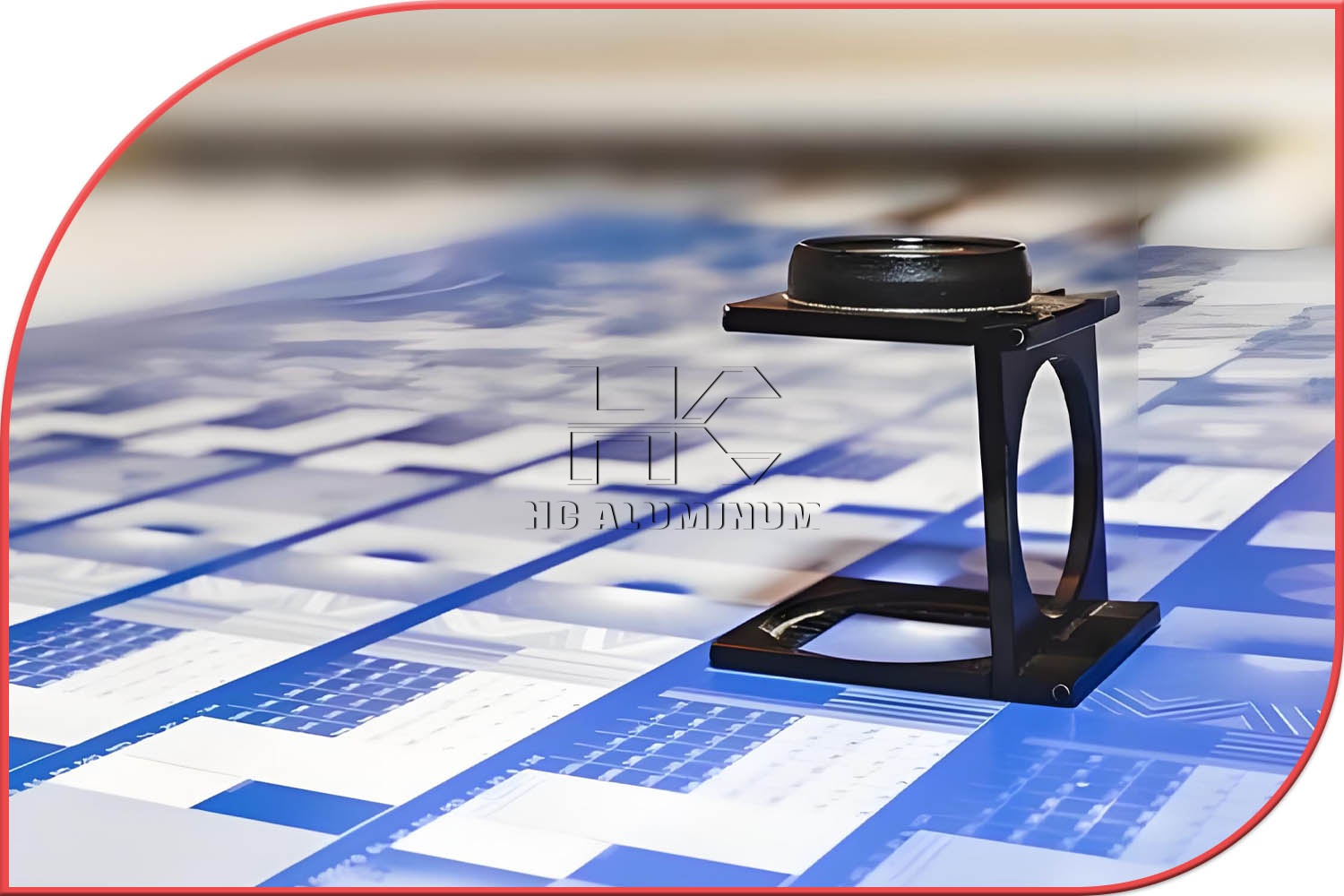
Explore our 0.15 mm to 0.30 mm blue double-layer thermal CTP plates for offset printing, engineered for stable imaging, clean dots, and dependable press runs.
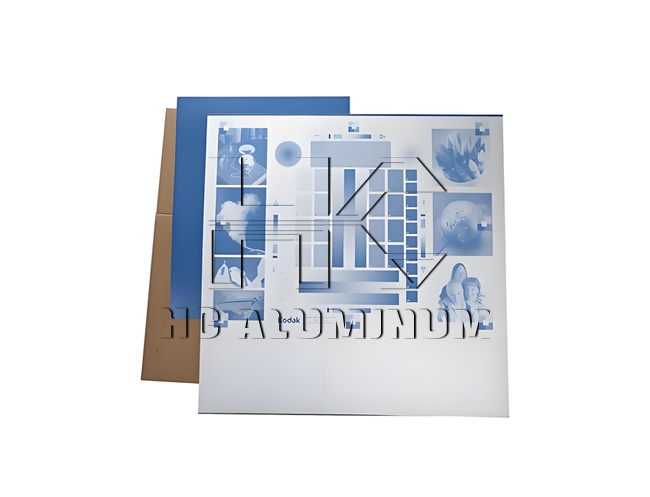
Thermal CTP plates have higher exposure accuracy, more stable imaging characteristics and wider environmental adaptability, and are the preferred plate material in commercial printing, newspaper printing and other fields.
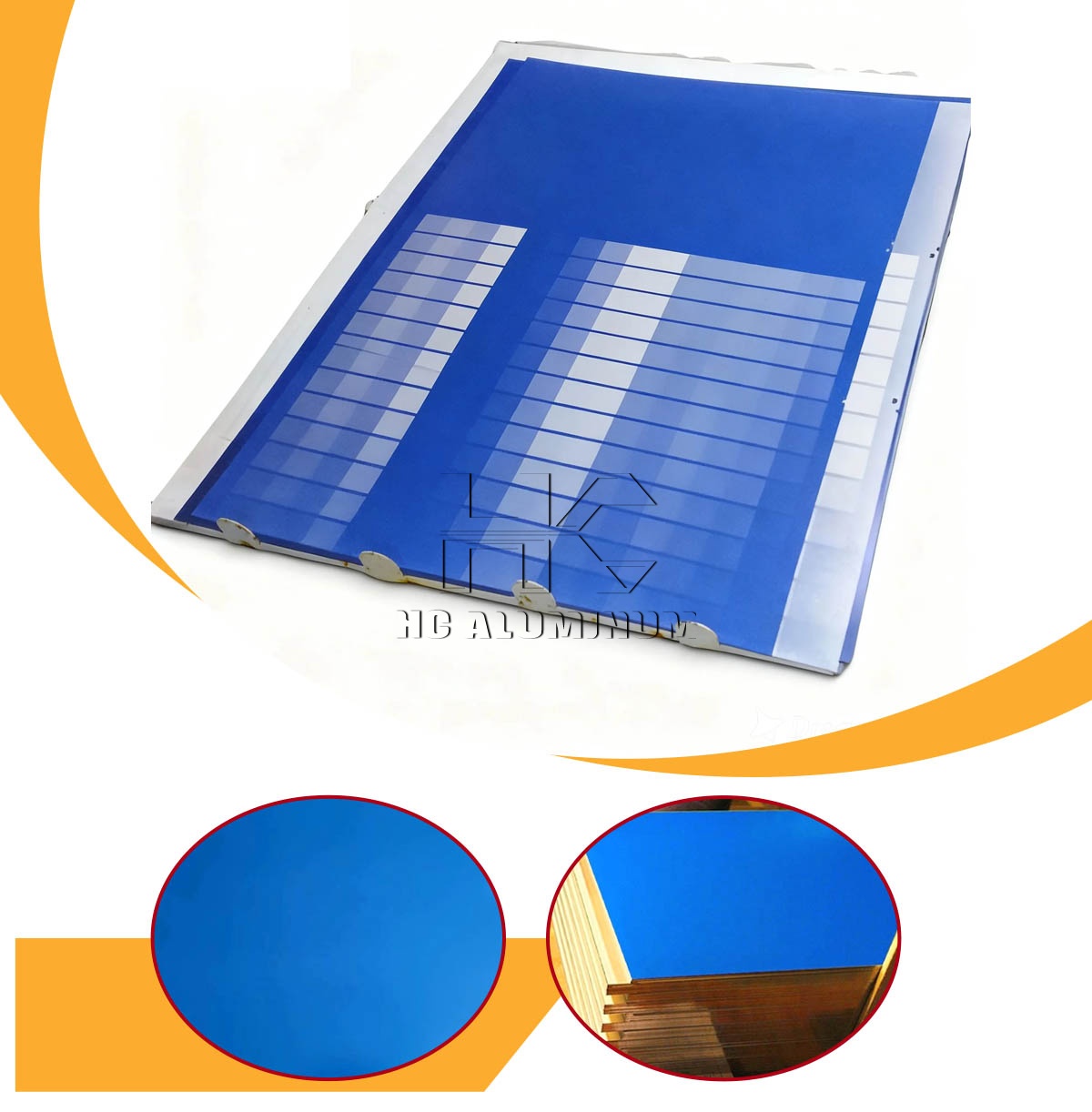
Explore 0.15 mm to 0.40 mm double-layer thermal CTP plate options for stable imaging, clean printing, and reliable offset press performance.
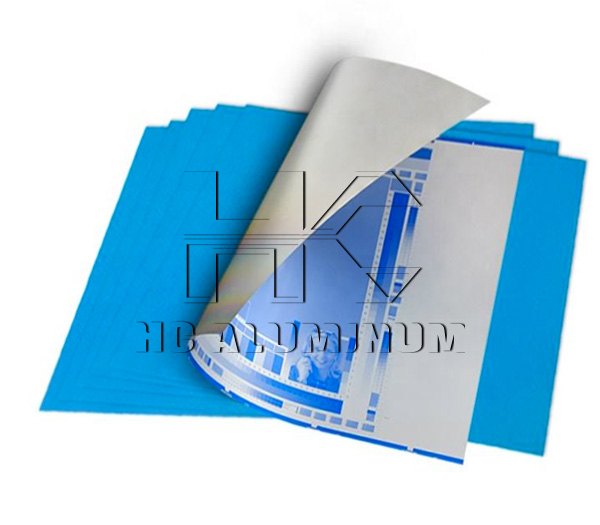
A 0.15mm thick aluminum PS plate is a lightweight printing plate specification, usually made of 1050, 1060 or 1070 series aluminum alloys with a purity of 99.3% or higher.
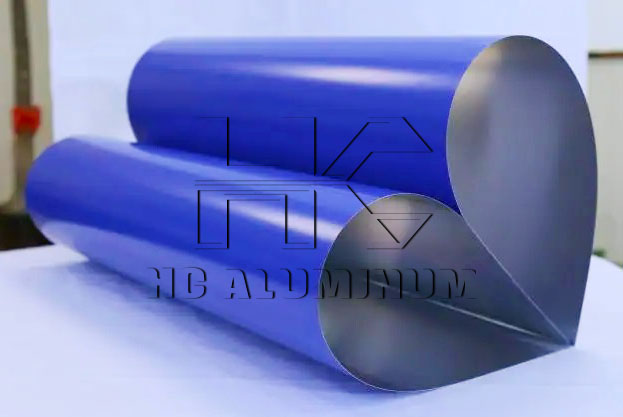
Aluminum strip is a special aluminum-based material dedicated to the printing industry, mainly used to make printing plates for computer direct platemaking (CTP, Computer-To-Plate) technology. This kind of aluminum strip plays an important role in the mod
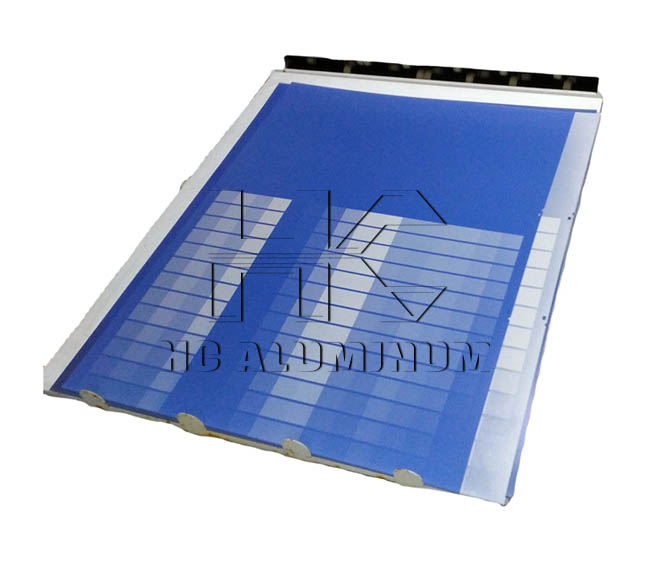
CTCP refers to a computer-to-plate imaging process using traditional PS plates (Presensitized Plates) or, in some contexts, CTP plates.
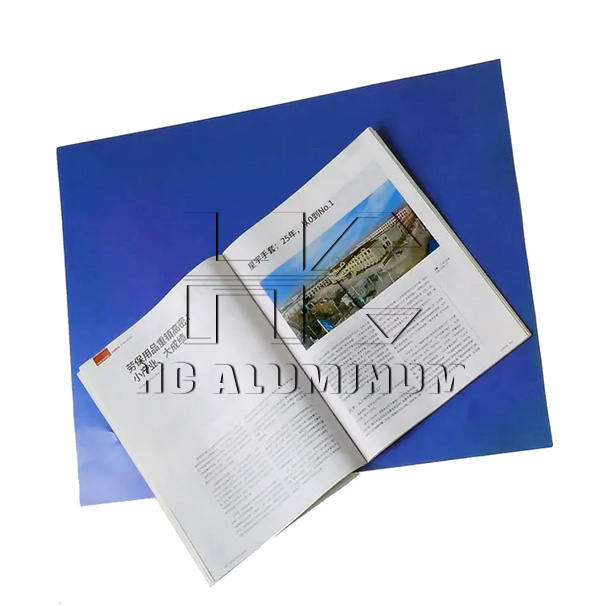
The Blue Positive UV-CTP plate (Computer-to-Plate) is a light-sensitive printing plate based on violet laser technology (405nm), specially designed for UV ink printing environments.
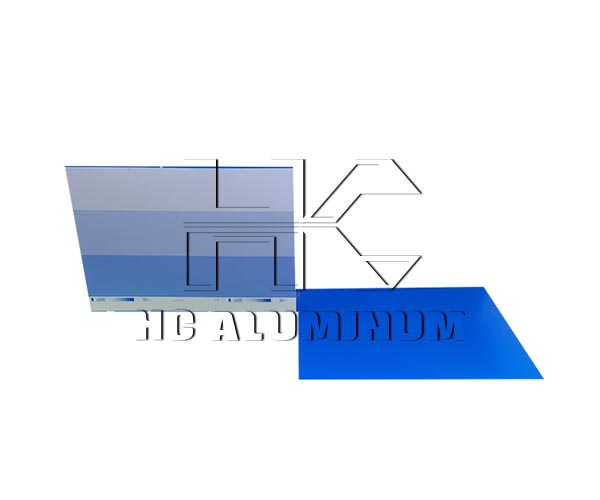
High sensitivity positive thermal CTP plates with excellent dot reproduction, stable imaging performance, and wide exposure latitude.Suitable for commercial and packaging offset printing.
The biggest advantage for printing companies to use blue CTCP printing plates is the simplification of production processes and the improvement of efficiency.
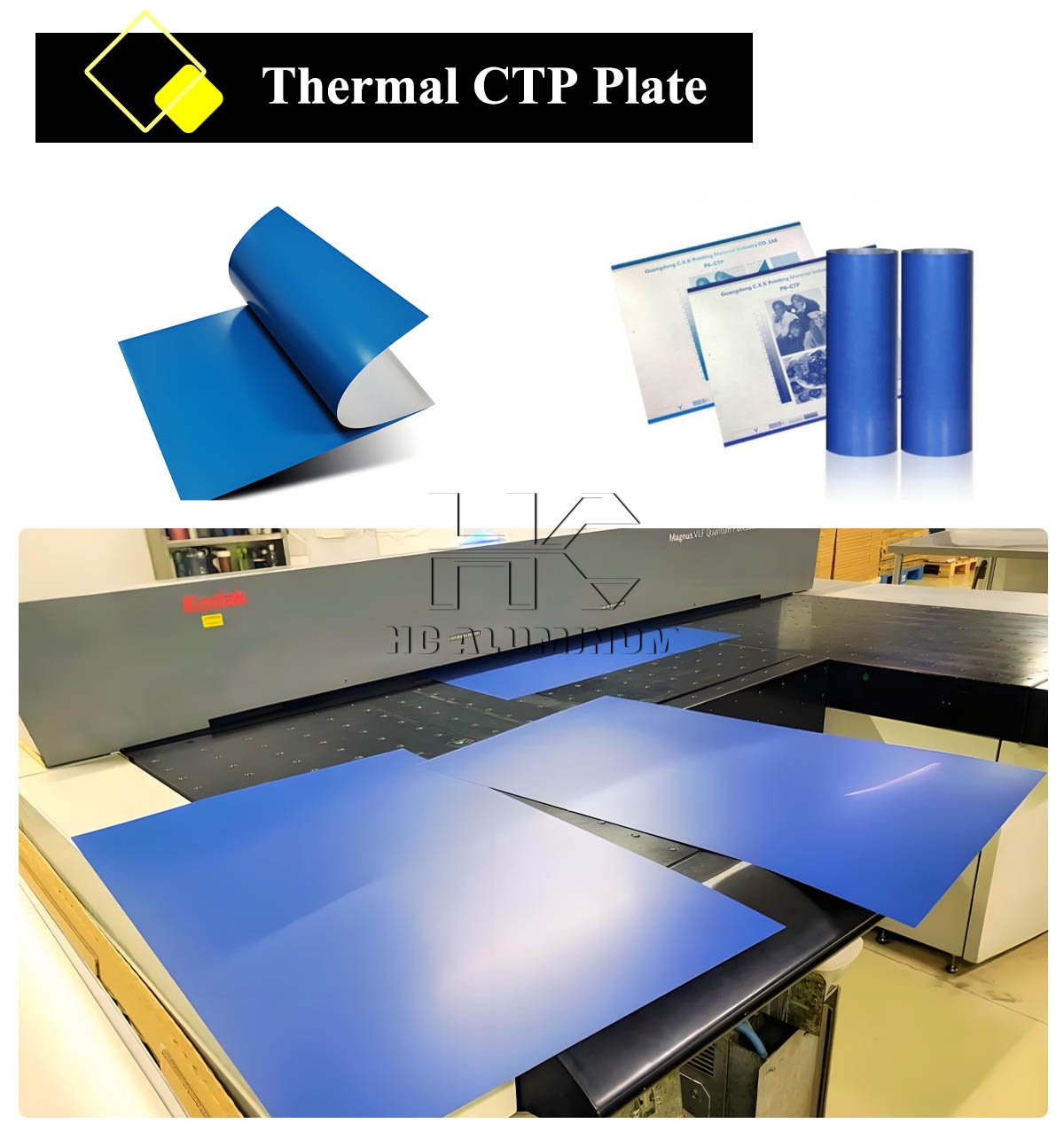
Discover our high-sensitivity thermal CTP plate for offset printing presses, designed for fast imaging, stable quality, and efficient plate making results.

Learn how a thermal CTP plate improves offset printing presses with stable imaging, faster make-ready, clean dots, and dependable performance for shops.
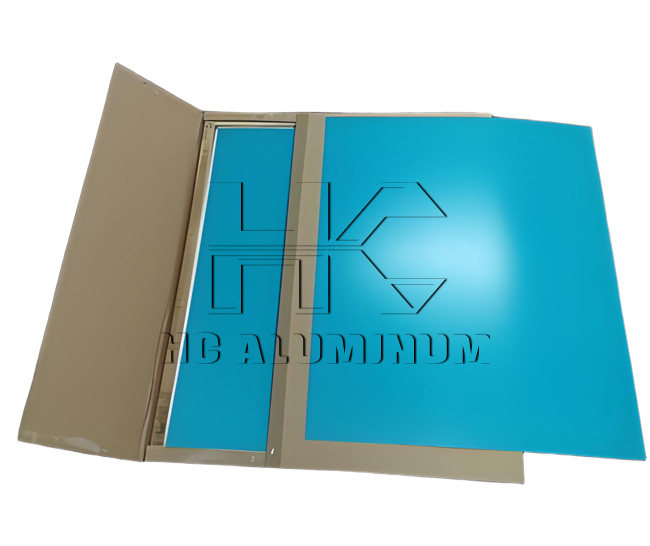
CTCP (Computer to Conventional Plate) is a hybrid printing technology that combines the advantages of digital and traditional offset printing.

Blue Thermal CTP Printing Plates designed for 830nm thermal imaging deliver high resolution, stable dot reproduction, and long run length. Compatible with mainstream CTP systems, suitable for commercial, packaging, and newspaper printing applications.
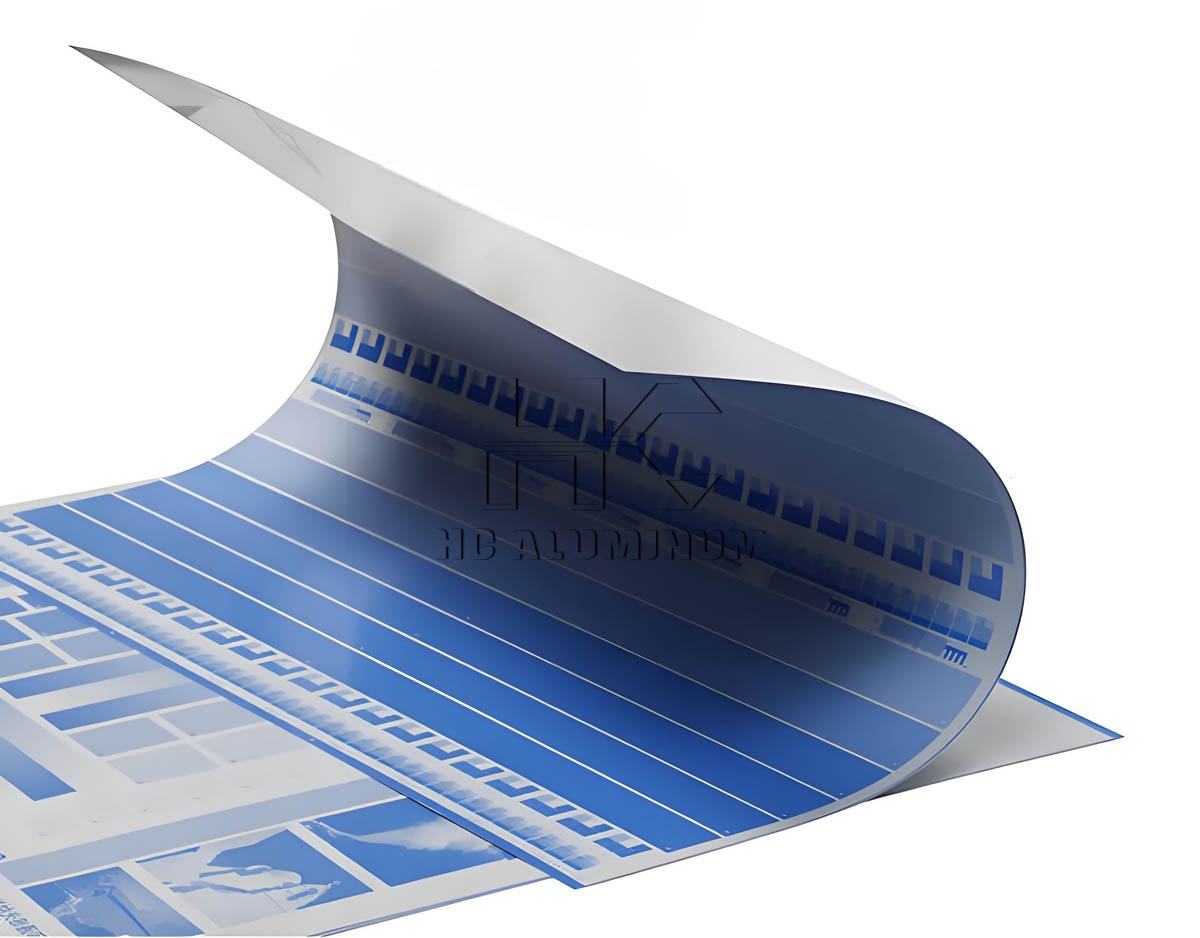
Thermal CTP plate for packaging printing with thermal imaging, robust coating system, and anodized aluminum substrate for stable dot reproduction and press run stability.
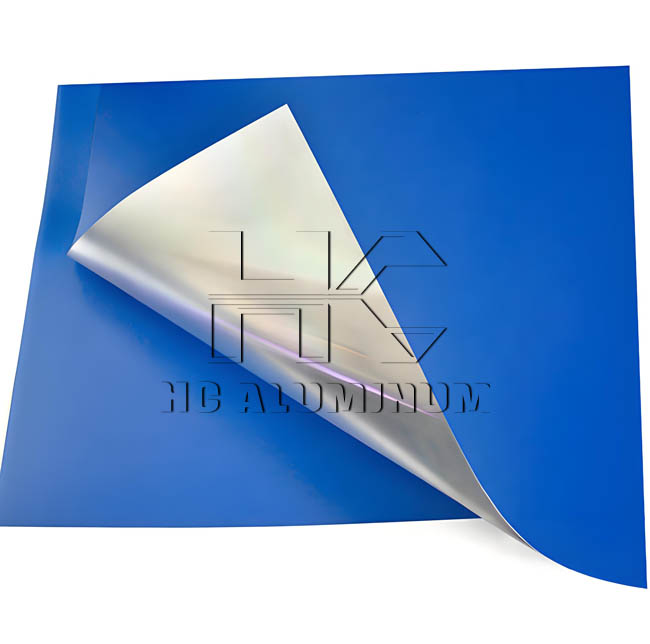
The CTCP plate produced by HONGCHANG Aluminum is renowned for its high resolution, superior quality, excellent compatibility, and cost-effectiveness.
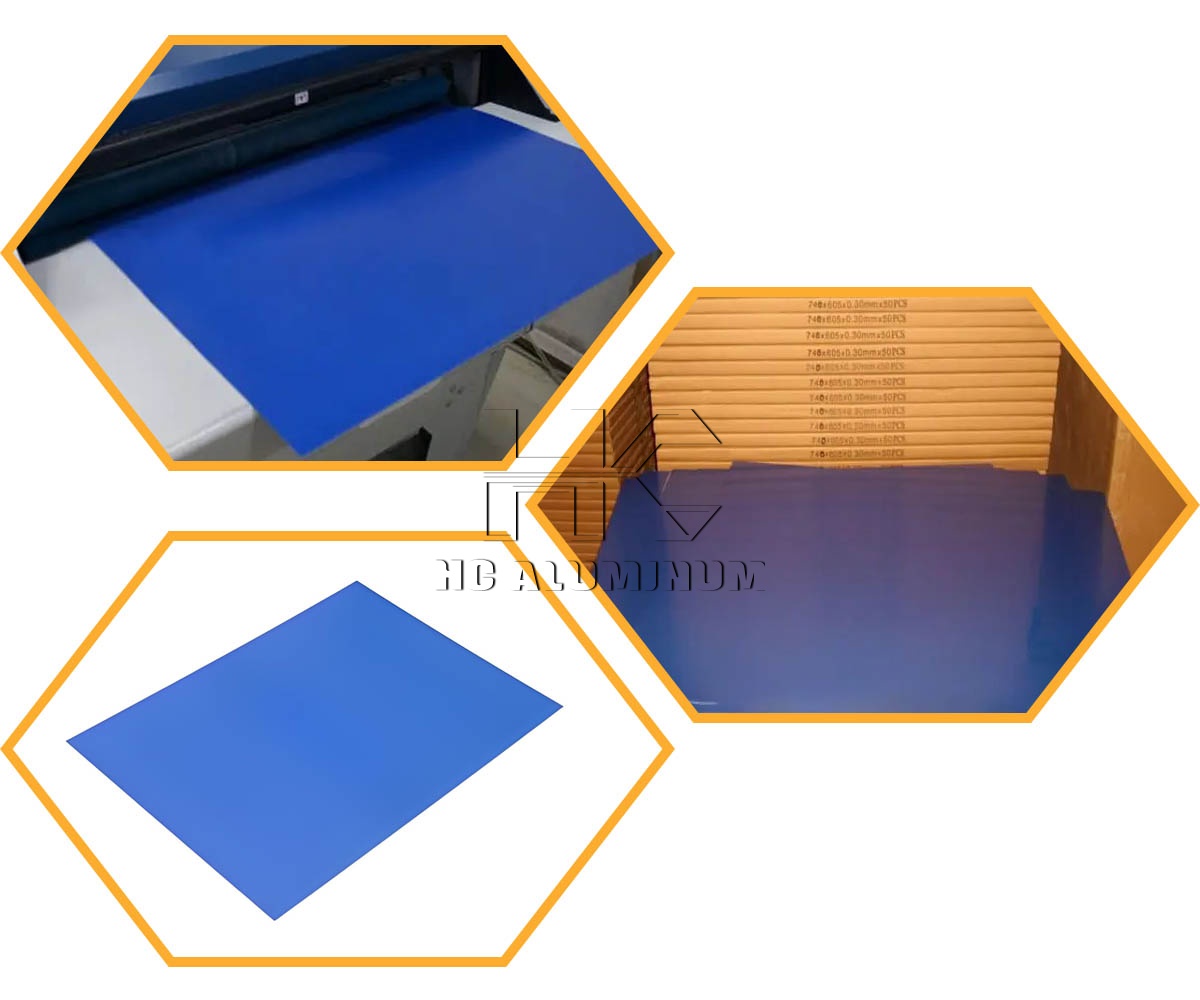
Learn what thermal CTP plates are made of: anodized grained aluminum plus 830 nm thermal coating, and how materials affect imaging, dot quality, and run length.
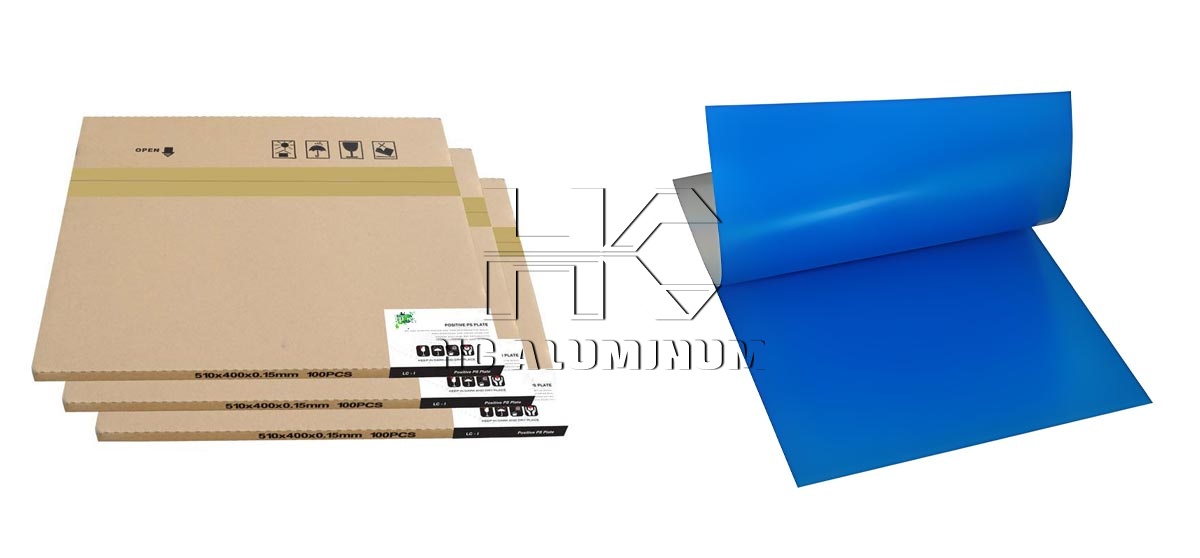
Our 830nm thermal CTP plates deliver reliable imaging, sharp offset output, and stable press performance for digital prepress and printing workflows.
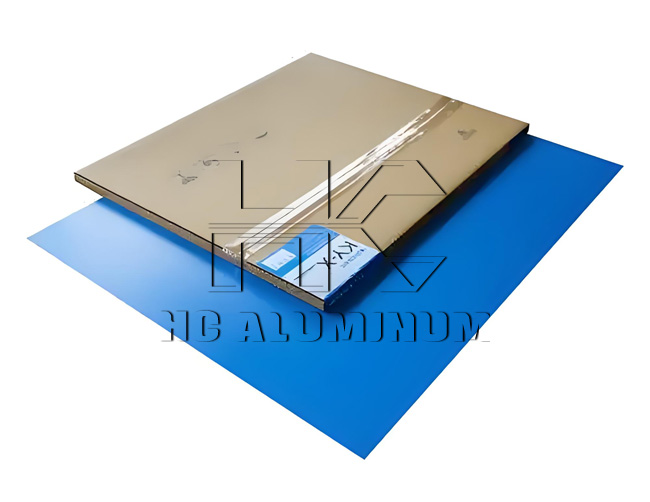
UV-CTP and thermal CTP are two mainstream CTP plate making methods, which are widely used in newspapers, magazines, advertisements, commercial printing, etc.
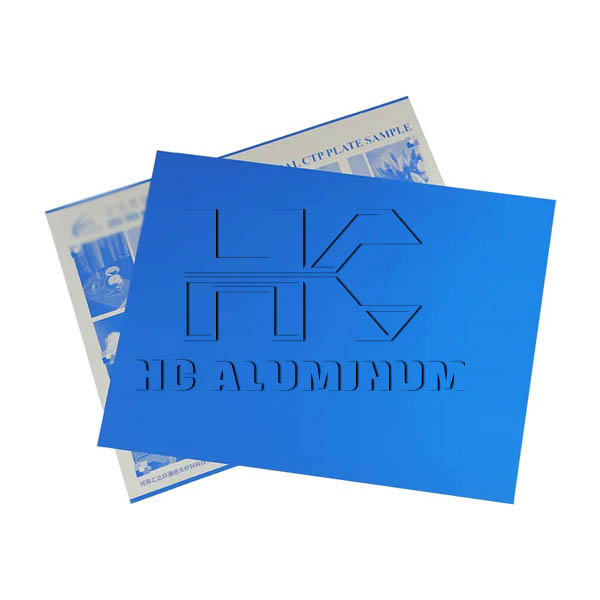
Hongchang Aluminum, as an aluminum plate manufacturer, specializes in the production of aluminum plate bases used for ctp plates, ps plates, and ctcp plates, including 1050 aluminum plates, 1060 aluminum plates, 1070 aluminum plates, 1100 aluminum plates
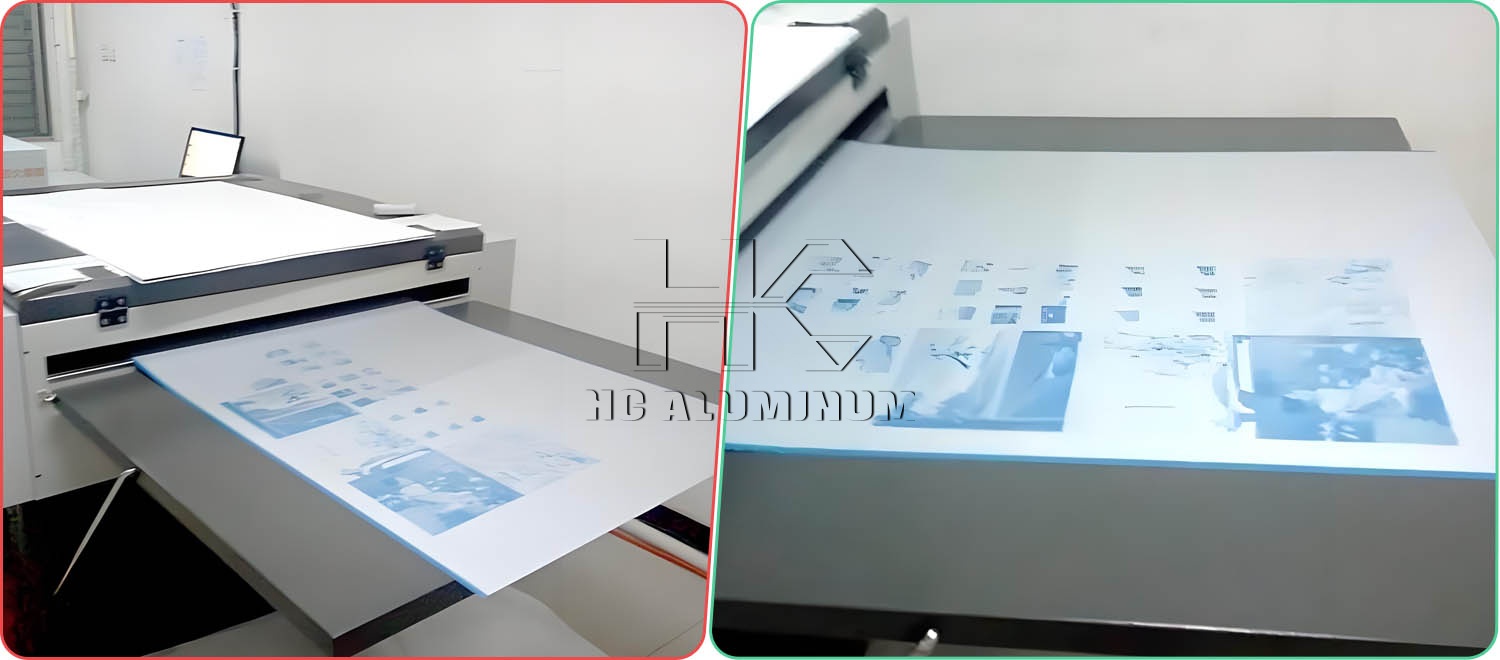
Explore how our thermal CTP plates support commercial printing with sharp image quality, stable press performance, efficient processing, and long runs.
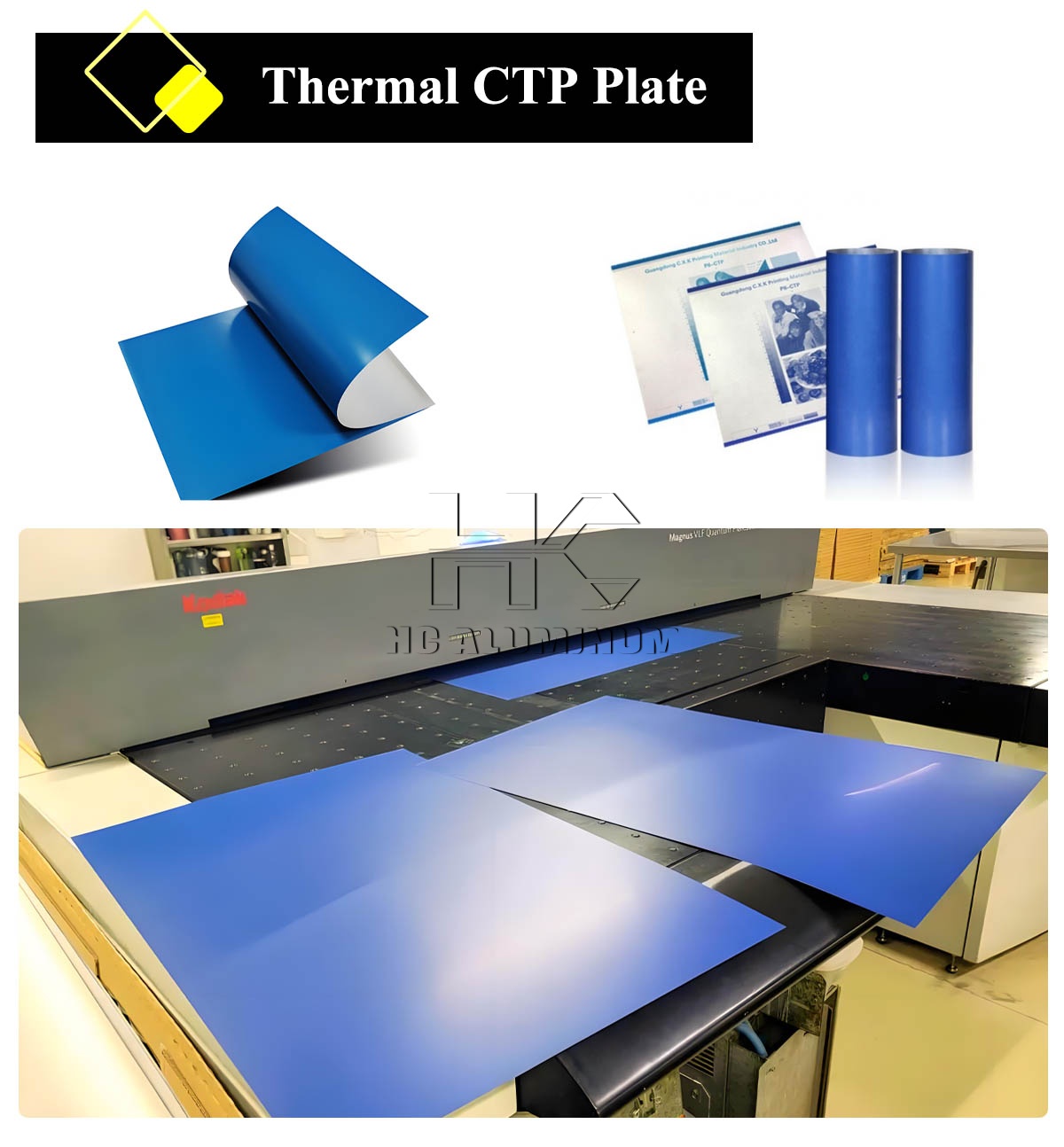
Discover our 0.30mm thermal CTP printing plate: stable thickness, sharp dots, reliable press performance, and consistent quality for commercial and packaging jobs.
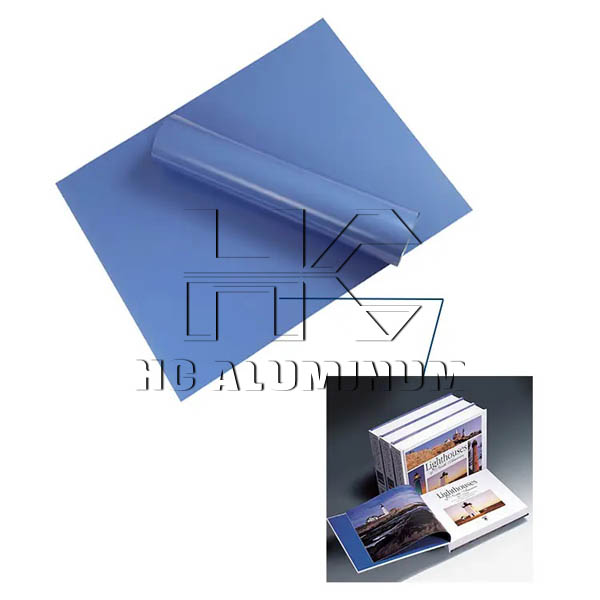
The aluminum substrate offset printing PS plate is a new type of printing material that has become an essential component in the offset printing industry due to its exceptional printing performance, long-lasting durability, and environmental benefits.
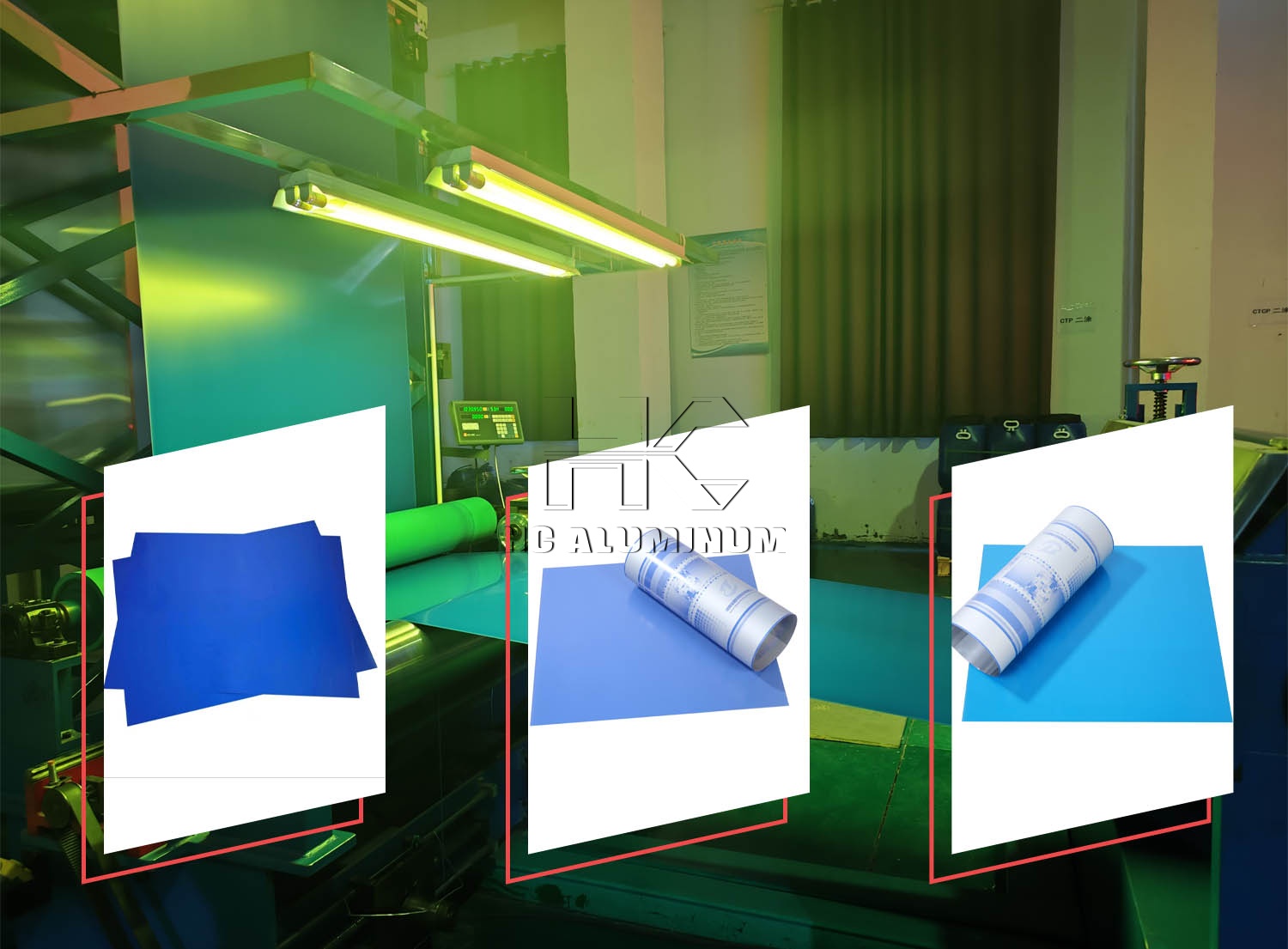
Get factory price for double-layer thermal CTP plates from our plate plant, with stable quality, fast supply, and direct support for offset printers.
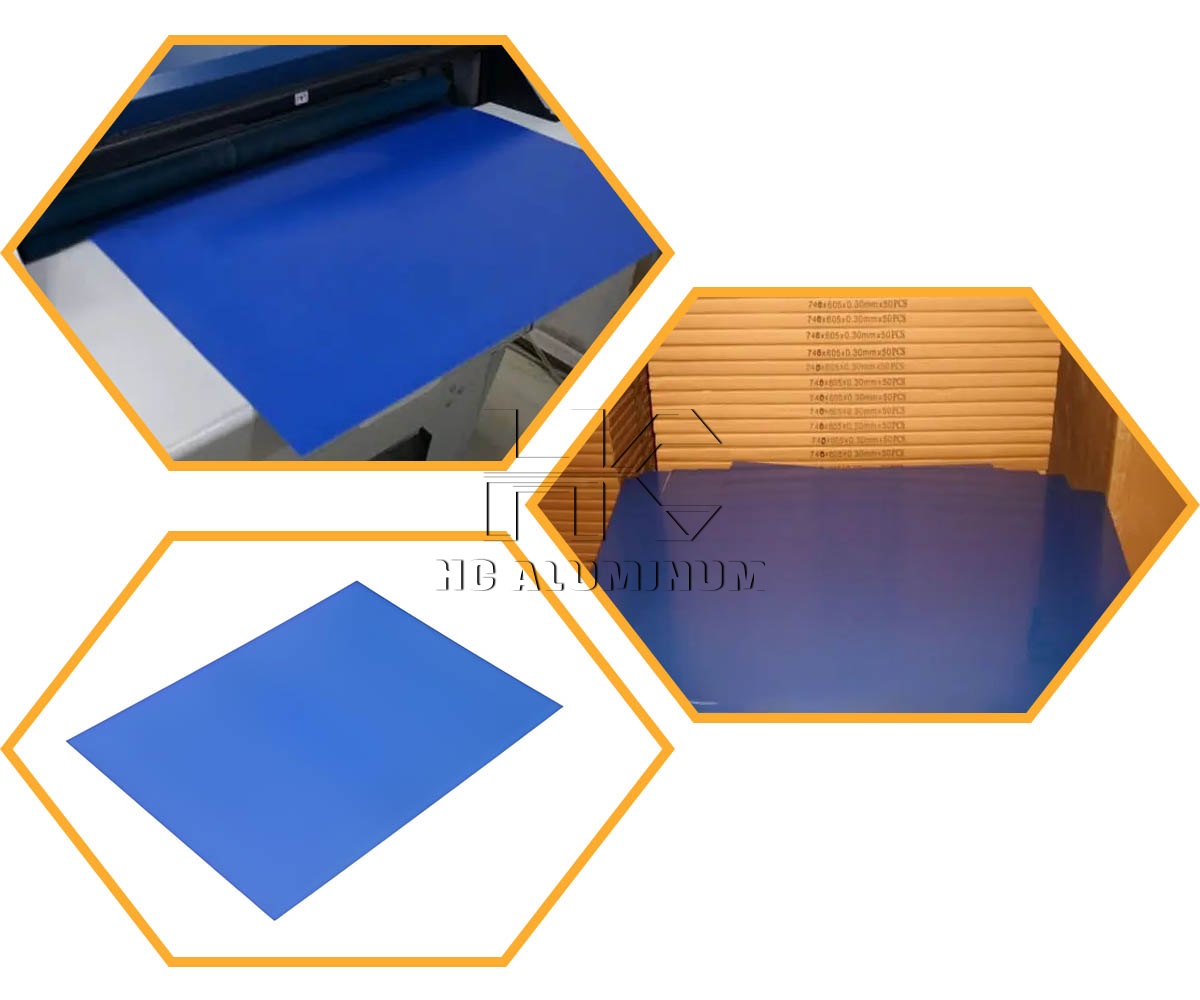
Discover 0.30 mm CTP offset printing plates for reliable press performance, stable registration, and productive commercial, packaging, and publication printing.
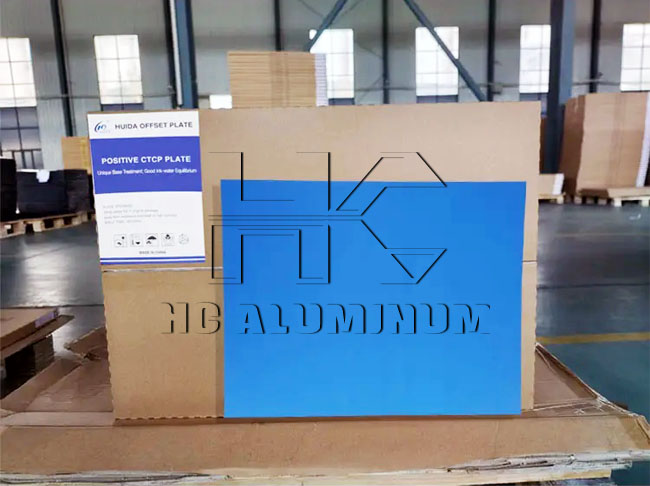
Aluminum substrate is the main carrier of green printing aluminum plate. It is usually made of high-purity aluminum, using 1050 aluminum alloy, 1060 aluminum alloy, etc.
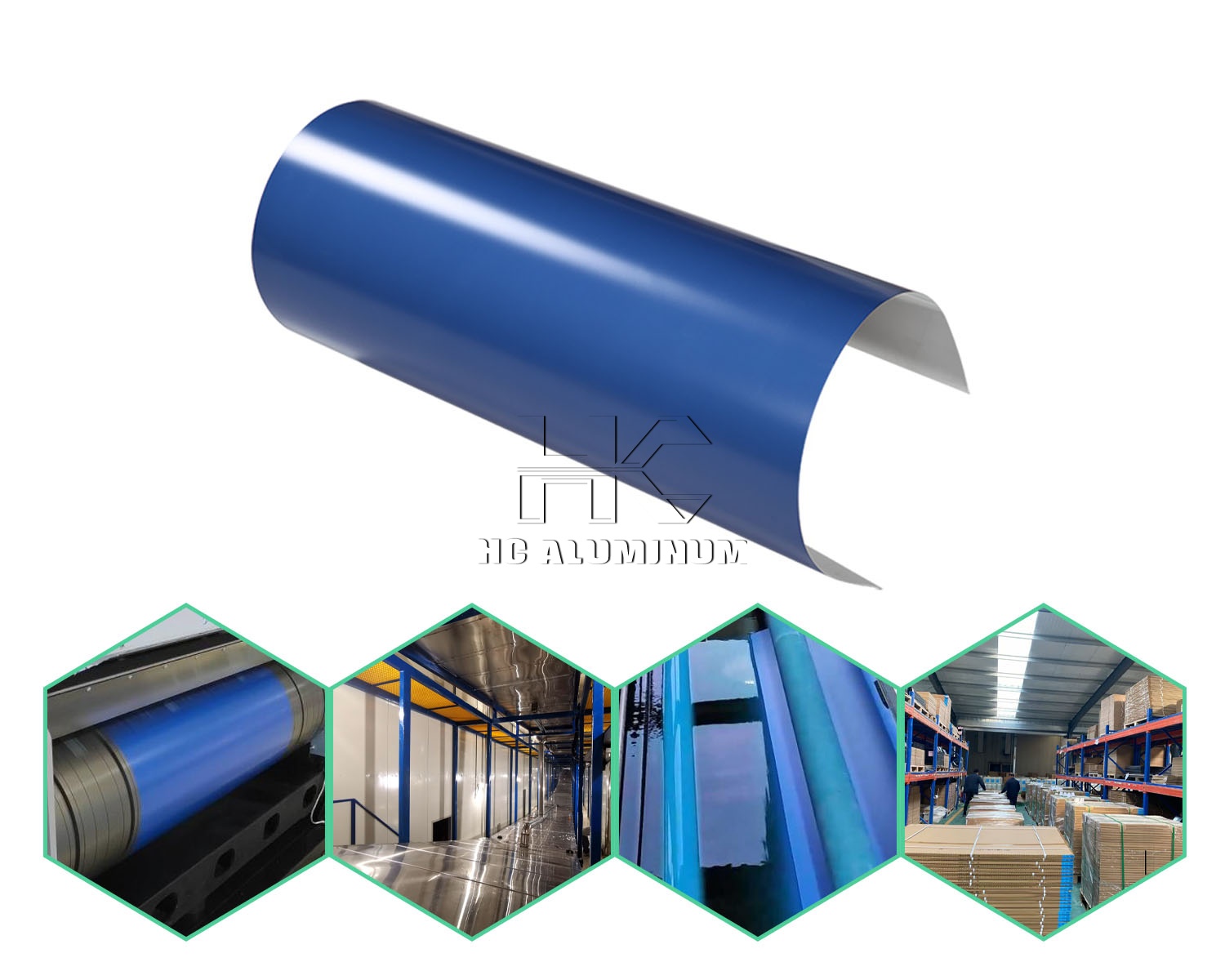
Learn how offset double-layer thermal CTP plates deliver stable imaging, long run lengths, and reliable quality for commercial printing.
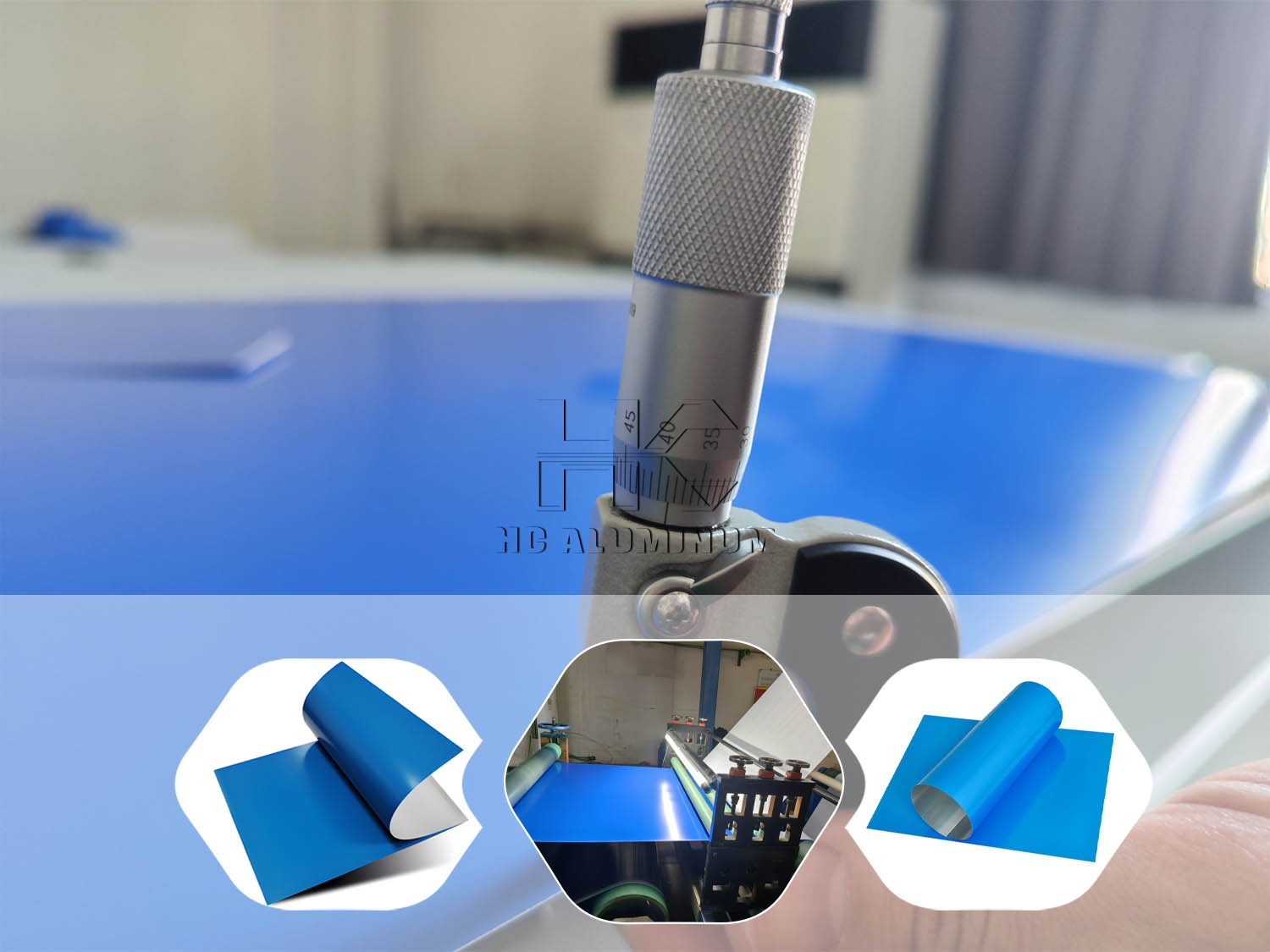
Learn how our 0.28mm double layer thermal CTP plate supports stable imaging, long runs, and clean results for modern printing industry needs today.
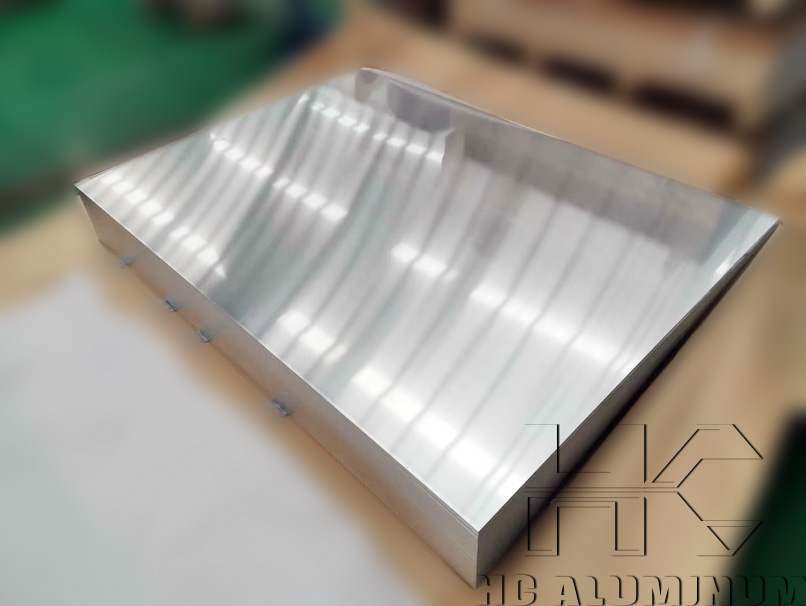
With the vigorous development of the printing industry, the demand for printing plates has shown a significant growth trend. Among them, the demand for PS plates/CTP plates, which are the main printing plates, is particularly prominent. The PS version of
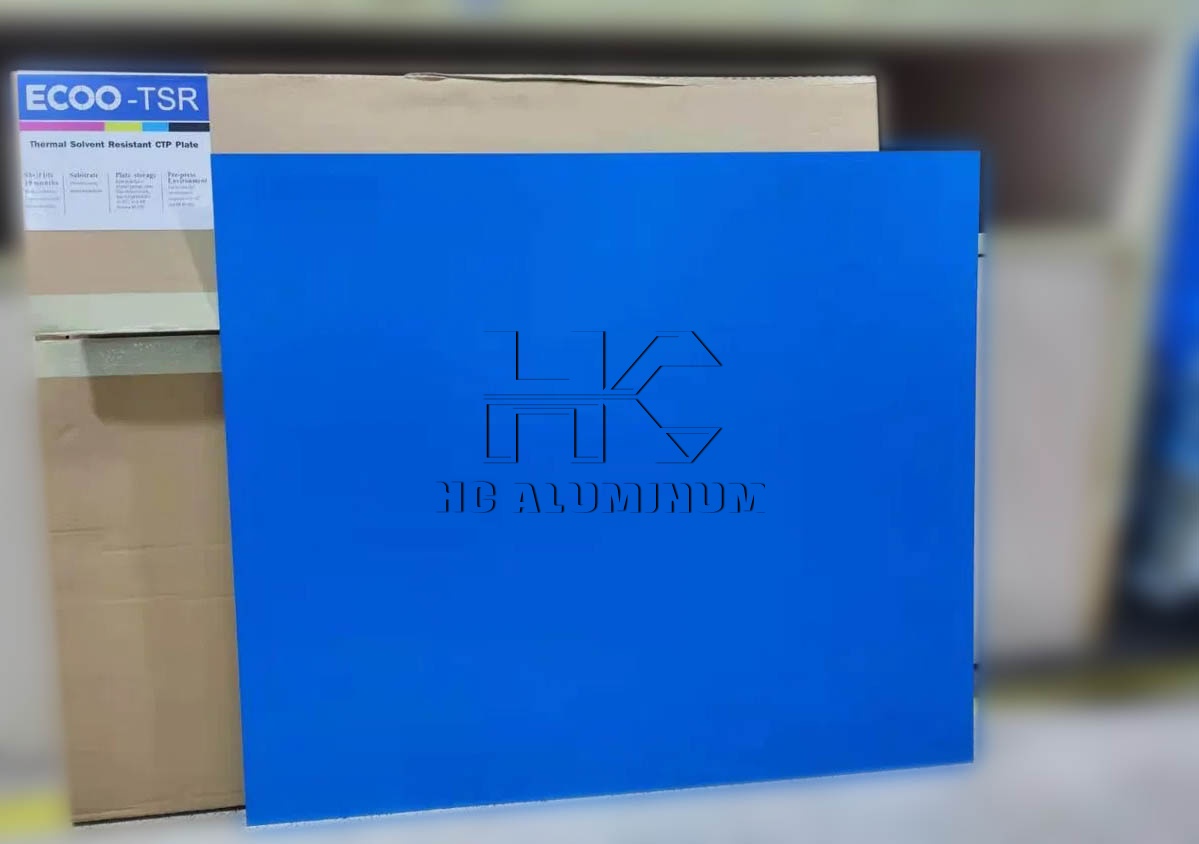
Learn how high sensitivity thermal CTP plates work at 830 nm, what affects stability and dot gain, and how to choose for press latitude and cost.
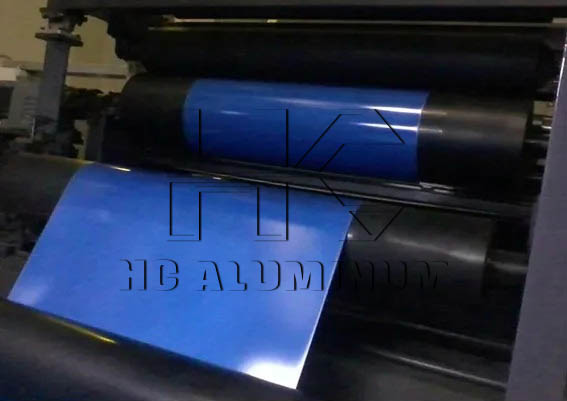
CTCP uses traditional PS plates and ultraviolet light, while CTP uses special plates and lasers.
Hongchang Aluminum is a professional printing plate manufacturer. Its main products include PS plates, CTP plates, CTCP plates, treatment-free plates, photosensitive plates, etc.