

If you have any questions, you can directly consult our online customer service. You can visit us online via WhatsApp. We look forward to your visit.
WhatsApp:8618703635966 Online
CTP plate for offset printing
Compared with traditional computer-to-film (CTF) workflows, CTP technology eliminates the need for physical film as an intermediate medium. Digital files are directly transferred onto the printing plate through laser exposure, resulting in higher surface quality, improved printing efficiency, and reduced environmental pollution.
How Is a CTP Plate Made?
A standard CTP plate is an example of precision micro-engineering. The plate’s core is an aluminum alloy substrate (commonly 1050 or 1060), providing mechanical strength and dimensional stability. A photosensitive coating is applied using advanced coating technology. This coating is the heart of the CTP plate, it determines the type of laser it responds to (thermal, violet laser, etc.) and ultimately influences imaging performance.
CTP Plate Workflow
Digital Imaging:
Files from layout software (such as PDF) are processed by the RIP (Raster Image Processor), which controls the laser unit inside the CTP platesetter. The laser beam selectively exposes the photosensitive coating based on graphic and text information.
Developing and Fixing:
The exposed plate enters the developing process. For conventional CTP plates, the developer dissolves either the unexposed or exposed coating (depending on whether it is positive- or negative-working), revealing the oleophilic image areas and hydrophilic non-image areas on the aluminum substrate. Temperature (typically 24-28°C) and processing time must be precisely controlled.
On-Press Printing:
After processing, the plate is mounted onto an offset press. Using the principle that oil and water do not mix, the image areas oleophilic and ink-receptive attract ink, while the non-image areas hydrophilic, attract water and repel ink. The image is transferred to the blanket cylinder and finally printed onto paper.
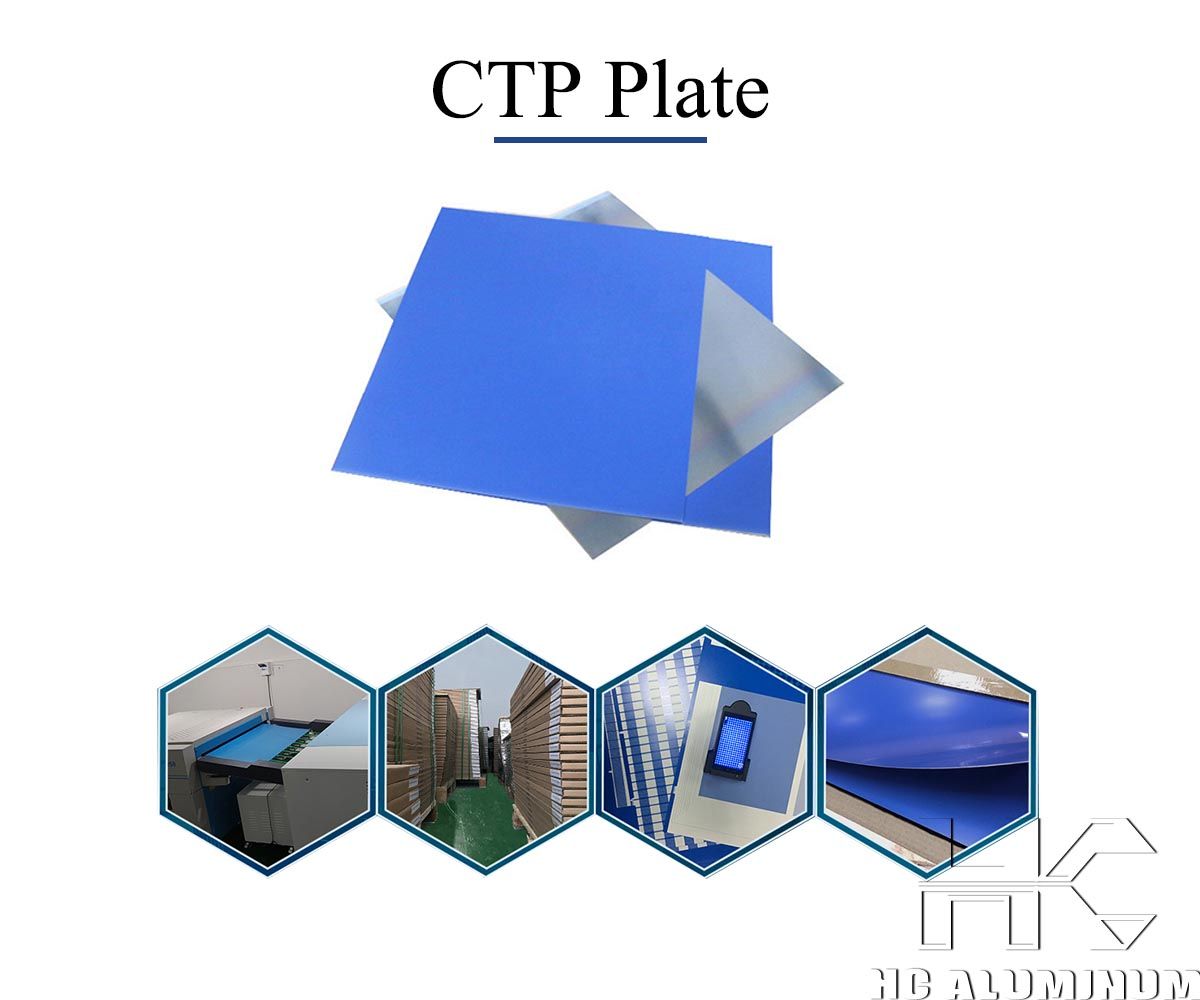
Advantages of CTP Plates in Offset Printing
1. Superior Image Quality
CTP imaging produces highly detailed, precise images with excellent dot reproduction and crisp edges. This ensures outstanding resolution, critical for high-end publications, packaging, and marketing materials.
2. Faster Turnaround
By eliminating film production, CTP significantly shortens plate-making time. Printers can complete the plate-making cycle in hours instead of days.
3. Consistency and Repeatability
Every plate produced through CTP matches the original digital file with near-perfect consistency, reducing print variation, rework, and waste.
4. Environmental Benefits
CTP plates reduce the use of chemicals such as developers, fixers, and film-processing agents. Some plates, such as thermal CTP plates or processless CTP plates, require little to no chemical processing.
5. Cost Efficiency
Although the initial investment in CTP systems may be higher, faster production, reduced labor, fewer chemicals, and less waste offer significant long-term savings.
6. Flexibility and Efficiency
Design files can be modified quickly without creating new film. This is particularly advantageous for variable data printing, personalized marketing materials, or short print runs.
Types of Mainstream CTP Plates
Thermal CTP Plate: Uses an 830nm wavelength infrared laser for thermal imaging. Its biggest advantage is that it can be operated in bright light, is insensitive to ambient light, and produces extremely solid and sharp dot reproduction, making it a common choice for achieving the highest print quality. It is generally more durable and has high print durability (50,000-100,000 copies without baking, and over 200,000 copies after baking). Thermal CTP plates also come in single-layer and double-layer coatings, with the double-layer design offering superior resistance to UV inks and printing stability.
Violet Laser CTP: Uses a 405nm wavelength violet laser for imaging. Its advantages include relatively lower equipment and plate costs, faster imaging speed, and greater environmental friendliness. However, violet laser plates are sensitive to ambient light and must be operated under a yellow safety lamp. Its performance at very high screen rulings and absolute print durability are generally slightly inferior to top-tier thermal plates.
Common CTP Plate Sizes (mm)
1030×800, 1060×840, 1160×940, 1480×1180
745×605, 724×615, 800×660
510×400, 450×370
914×635, 770×1030 (web press standards)
Thickness: 0.15 mm, 0.20 mm, 0.30 mm
Plate sizes vary depending on press model. Therefore, printing companies must match plate dimensions precisely to their specific press clamping system.
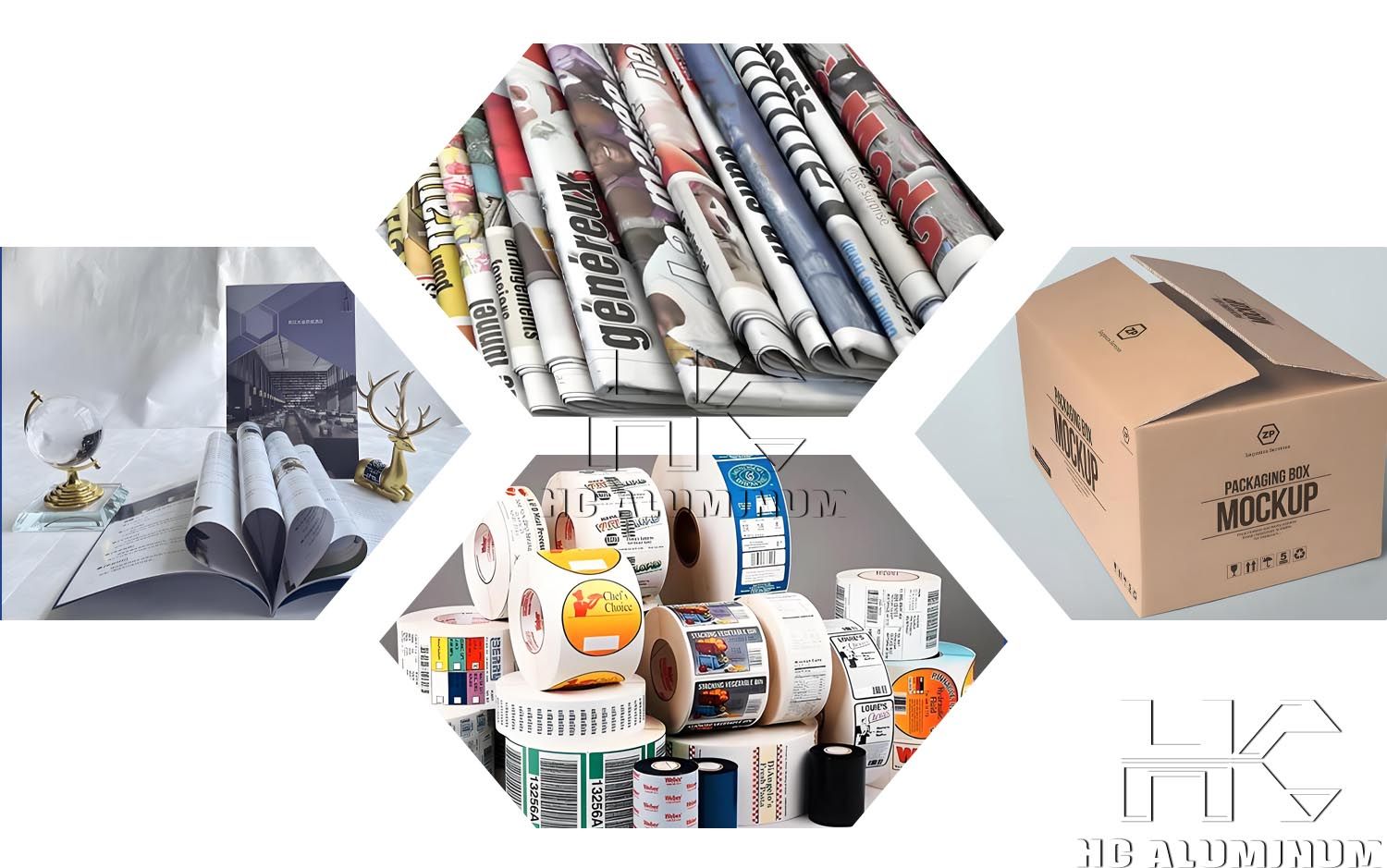
Application Fields of CTP Printing Plates
Commercial printing: magazines, brochures, product catalogs
Packaging: flexible packaging, folding cartons, labels
Publishing: books, newspapers, fine art prints
Specialty printing: security documents, gift cards, premium promotional items
How to Select the Right CTP Plate
1. Print job type:
For long-run, high-quality commercial printing, thermal CTP plates are preferred.
For short runs or cost-sensitive applications, violet CTP plates may be suitable.
2. Quality requirements:
For fine screens and high-resolution images, thermal CTP is the more reliable choice.
3. Environmental and cost considerations:
Evaluate the cost of chemical handling and compliance with environmental regulations.
Processless plates are a strong direction for future investment.
4. Equipment compatibility:
Ensure the chosen plate matches the wavelength and specifications of the existing CTP platesetter.
Website: https://www.printarea-plate.com/a/ctp-plate-for-offset-printing.html
Keyword: CTP plate CTP printing plate CTP offset plate CTP plate price CTP plate sizes thermal CTP plate computer-to-plate (CTP) system UV-CTP plate aluminum substrate CTP aluminum base 1050 aluminum sheet CTP plate manufacturer printing plate manufact