

If you have any questions, you can directly consult our online customer service. You can visit us online via WhatsApp. We look forward to your visit.
WhatsApp:8618703635966 Online
Aluminum Based Thermal Ctp Plate
What an Aluminum Based Thermal CTP Plate Is
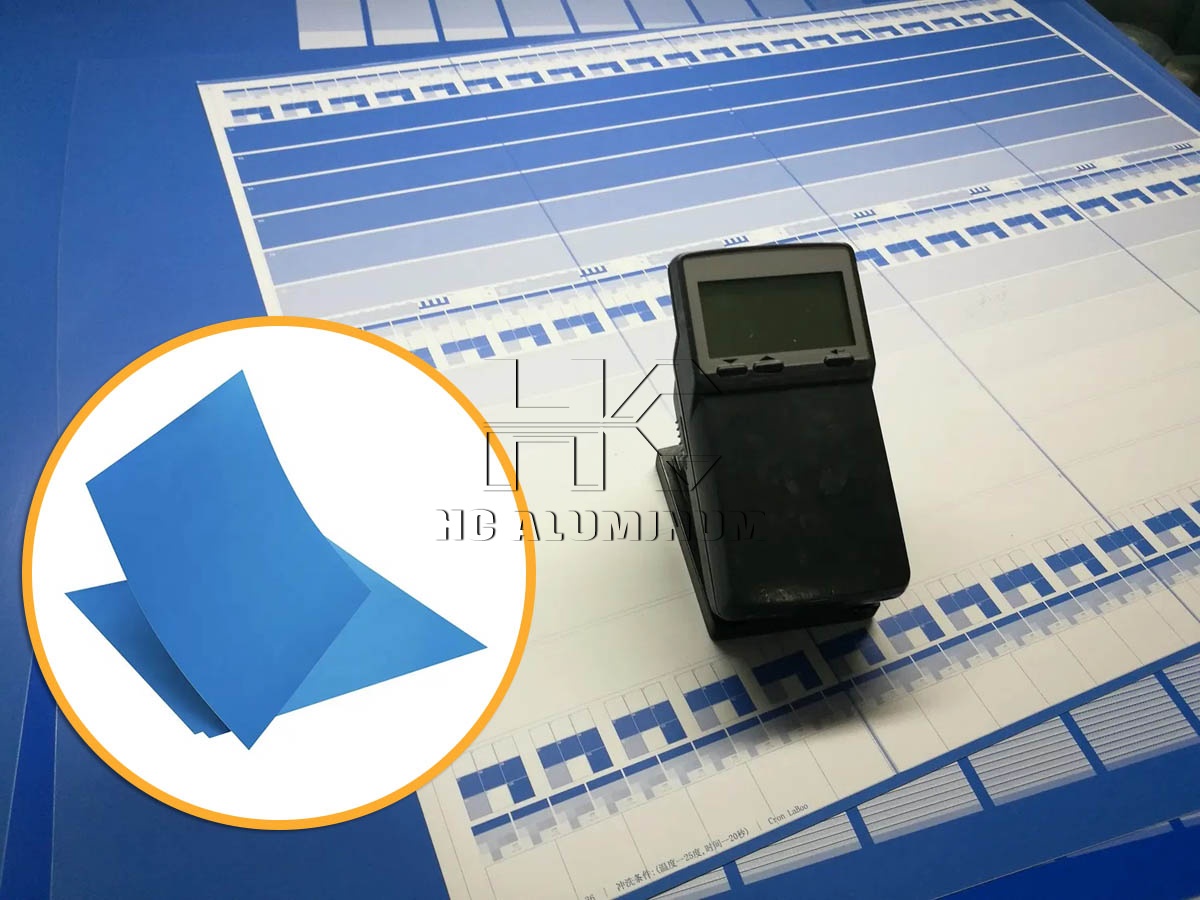
An aluminum based thermal CTP plate is an offset lithographic printing plate built on an electrochemically grained and anodized aluminum substrate, coated with a heat-sensitive (thermal) imaging layer. The plate is imaged in a thermal CTP device (typically 830 nm laser wavelength), then processed (or, for some systems, developed on press) to create oleophilic image areas and hydrophilic non-image areas.
Sheet Structure
An aluminum-based thermistor CTP sheet is not a simple aluminum sheet; it is a precision optical material composed of multiple layers.
Aluminum Substrate: Typically made of high-purity 1050 or 1100 series aluminum alloy, with a thickness between 0.15mm and 0.30mm.
Electrolytic Grained Layer: Electrolytic treatment creates fine pits and depressions on the aluminum surface, increasing surface area and facilitating hydrophilic coating adhesion.
Anodized Layer: Improves the substrate's abrasion resistance, corrosion resistance, and printability.
Photosensitive Coating: The core of the thermosensitive CTP. Typically composed of a thermosensitive resin sensitive to 830nm wavelength infrared laser light.
Key Advantages of Thermal CTP Plates
High Resolution: Capable of reproducing 1% - 99% of halftone dots, supporting high-precision printing up to 300 LPI (lines per inch), ideal for brochures and high-end packaging.
Stable Performance: Thermal imaging produces extremely sharp edges, eliminating the "halo" effect seen with traditional exposure, resulting in exceptionally solid dots.
High Print Durability: Standard thermal plates typically last for 100,000 - 200,000 prints; after baking, this can exceed 1 million prints.
Bright Room Operation and Long Shelf Life: The plate is only sensitive to infrared lasers, allowing operation under yellow safety lighting. It can be stored for a considerable period (e.g., several months) after exposure and before development.
Wide Adaptability: Compatible with various types of offset printing presses and inks (including UV inks, requiring a dedicated UV thermal plate).
Technical Specifications
| Aluminum Plate | 1050/1060 |
| Thickness | 0.13-0.40mm |
| Sensing Wavelength | 830nm (Infrared Laser) |
| Exposure Energy | 100 - 120 mJ/cm² |
| Resolution | 2400 / 2540 / 2800 dpi |
| Running Length | 100,000+ (without baking); 500,000+ (with baking) |
| Operating Environment | Daylight Handling |
| Shelf Life | 12 - 18 months (dry and cool environment) |
How It Works: Imaging, Processing, and Printing Mechanism
Thermal imaging at 830 nm
Thermal plates are exposed by an infrared laser (most commonly 830 nm). The laser delivers imaging energy typically measured in mJ/cm². When the correct energy window is reached:
The coating undergoes a controlled thermal reaction (depending on chemistry, this can be polymer hardening, solubility change, or ablation of a top layer).
The imaged areas become resistant to the developer (for positive-working systems, the unexposed areas are removed; for negative-working systems, the exposed areas remain).
Why energy matters in production:
Too low energy can cause weak image formation, dot loss, and premature wear.
Too high energy can increase dot gain risk, reduce highlight fidelity, and narrow the practical press latitude.
Development and gumming (process-based thermal)
For conventional thermal plates, a processor removes the soluble portion of the coating and leaves a clean, stable non-image background. Key process controls are:
Developer strength and conductivity: affects removal rate and background cleanliness.
Temperature and dwell time: influences dot reproduction and scumming risk.
Rinse and gum quality: impacts storage stability and start-up waste on press.
On-press performance (ink/water balance)
Offset printing relies on the plate maintaining a stable contrast between:
Hydrophilic non-image (water-loving): supported by the anodized aluminum surface and post-treatment.
Oleophilic image (ink-loving): defined by the hardened or retained coating.
When the aluminum surface, anodic layer, and coating adhesion are well matched, the plate reaches stable water acceptance, fast roll-up, and predictable press latitude.
Why the Aluminum Base Matters (More Than Many People Expect)
Aluminum graining: anchoring and water carrying
Electrochemical graining creates a micro-rough surface. This profile does two practical jobs:
Provides mechanical anchoring for coating adhesion.
Increases effective surface area and helps the non-image area hold a uniform water film.
A graining profile that is too shallow can reduce water carrying and increase sensitivity to fountain solution changes. Too aggressive graining can compromise fine dot stability or increase background toning under marginal processing.
Anodizing: wear resistance and run length
Anodizing forms an aluminum oxide layer with controlled thickness and porosity. In press terms, it directly affects:
Run length (wear resistance under ink and dampening cycles)
Scratch resistance in handling
Chemical tolerance (fountain solution, plate cleaners, and some press washes)
For commercial work, the goal is not simply "thicker is better" but consistent anodic film formation that supports both coating adhesion and clean non-image behavior.
Post-treatment: background cleanliness and consistency
Post-treatment (often sealing or chemical modification) tunes the surface energy and helps the non-image area resist ink. If post-treatment is inconsistent, the printer sees it quickly as:
Slower roll-up or higher start-up waste
More sensitivity to fountain settings
Higher risk of scumming in long runs or warm pressrooms
Core Performance Metrics Printers Care About
Dot reproduction and resolution
Thermal CTP plates are widely used for high-quality commercial print because they can hold stable dots at common screening conditions.
What influences dot reproduction in practice:
CTP focus and laser power stability
Correct imaging energy calibration for the plate batch
Processor control (developer activity, temperature, brush condition)
Plate handling (scratches, pressure marks, and contamination)
A stable manufacturing process targets predictable dot shape so that highlight dots do not wash away and shadow dots do not plug during development.
Press latitude and ink/water tolerance
Press latitude is the plate's ability to run consistently across normal variations in:
Fountain solution conductivity and pH
Dampening settings
Ink tack and emulsification tendencies
Press speed and temperature
In engineering terms, latitude is largely a function of the surface chemistry balance between the anodized background and the imaged coating.
Run length and durability
Run length depends on:
Anodic film integrity
Coating hardness after imaging/processing
Abrasion from paper (especially recycled stocks)
Plate cleaners and wash-up chemicals
For typical commercial sheetfed and web applications, durability is often the deciding factor when the same job repeats frequently and remakes are costly.
Stability in storage and in the CTP room
Production stability includes:
Coating sensitivity drift with temperature and humidity
Oxidation or contamination of the aluminum surface if plates are mishandled
Consistency between lots so that power curves do not need constant adjustment
From our side as a manufacturer, this is where tight control of aluminum pretreatment, anodizing parameters, and coating weight uniformity makes the biggest difference day to day for prepress teams.
How to Choose an Aluminum Based Thermal CTP Plate
1) Match the plate to your CTP laser and workflow
Before anything else, confirm:
Laser wavelength (most thermal systems are 830 nm)
Imaging mode and head condition (single/multi-beam)
RIP screening type (AM, FM, hybrid) and target line screen
Then select a plate with a practical imaging energy window that fits your device's stable output. A plate that is "sensitive" on paper but narrow in tolerance can cause variability if your CTP power drifts over time.
2) Decide based on your real run length and finishing needs
Ask two production questions:
What is the average and peak run length?
Are you using aggressive plate cleaners, UV coatings, or demanding stocks?
If the work is short-run commercial, consistency and fast makeready may matter more than maximum wear. If you run long web jobs or abrasive packaging stocks, anodizing and coating durability move up the priority list.
3) Consider processor capability and control discipline
A thermal plate's quality is only fully realized if processing is controlled. Evaluate:
Developer replenishment method and monitoring
Temperature stability
Brush maintenance and rinse quality
If processor control is limited, choosing a plate known for processing latitude (tolerance to minor chemistry drift) can reduce day-to-day variability.
4) Environmental compliance and waste management
Thermal plates can support better compliance when the workflow reduces chemistry usage and disposal burden. Even in conventional processing:
Lower carry-out and stable developer life reduce waste.
Cleaner development reduces rewash and remakes.
For plants with strict discharge requirements, aligning plate choice with your effluent handling and chemical management is a practical cost decision, not just a sustainability statement.
Where Aluminum Based Thermal CTP Plates Perform Best
Thermal aluminum plates are commonly selected where repeatability, stable dots, and predictable press behavior are needed across shifts and seasons, including:
Commercial sheetfed printing (brochures, catalogs, inserts)
Heatset and coldset web with consistent quality targets
Higher line screens or hybrid screening where dot integrity is critical
Plants standardizing multiple presses under one prepress calibration
Practical Troubleshooting Notes (From Manufacturing and Field Feedback)
If you see weak highlights or broken small text
Check imaging energy first (mJ/cm²) and confirm laser power calibration.
Verify processor developer activity and temperature.
Review plate storage conditions (high humidity can affect sensitivity).
If you see background toning or scumming
Confirm rinse and gumming performance.
Check fountain solution settings and contamination.
Review handling: fingerprints and paper dust can defeat hydrophilic background behavior.
If run length is lower than expected
Confirm press wash and cleaner compatibility.
Review abrasive stocks and blanket condition.
Check for under-anodized or mechanically damaged plates (handling and transport issues can mimic wear).
Summary
An aluminum based thermal CTP plate is a materials-engineered system where aluminum graining, anodizing, post-treatment, and thermal coating must work together. When these elements are controlled, printers get dependable dot reproduction, stable press latitude, and predictable run length with broad equipment compatibility at 830 nm imaging. The best choice is the one that matches your CTP energy stability, processing discipline, press chemistry, and the actual production mix you run every day.
Website: https://www.printarea-plate.com/a/aluminum-based-thermal-ctp-plate.html
Keyword: Aluminum substrate thermal CTP plate thermal plate-making aluminum plate CTP printing plate material thermal CTP printing plate aluminum-based CTP plate CTP plate-making material lithographic CTP plate 830nm thermal CTP plate thermal CTP plate ma