Welcome to HongChang Aluminum CO., LTD.

Visit
Xin'an Industrial Assemble Region,Luoyang,Henan Province,China
Welcome to HongChang Aluminum CO., LTD.
Xin'an Industrial Assemble Region,Luoyang,Henan Province,China

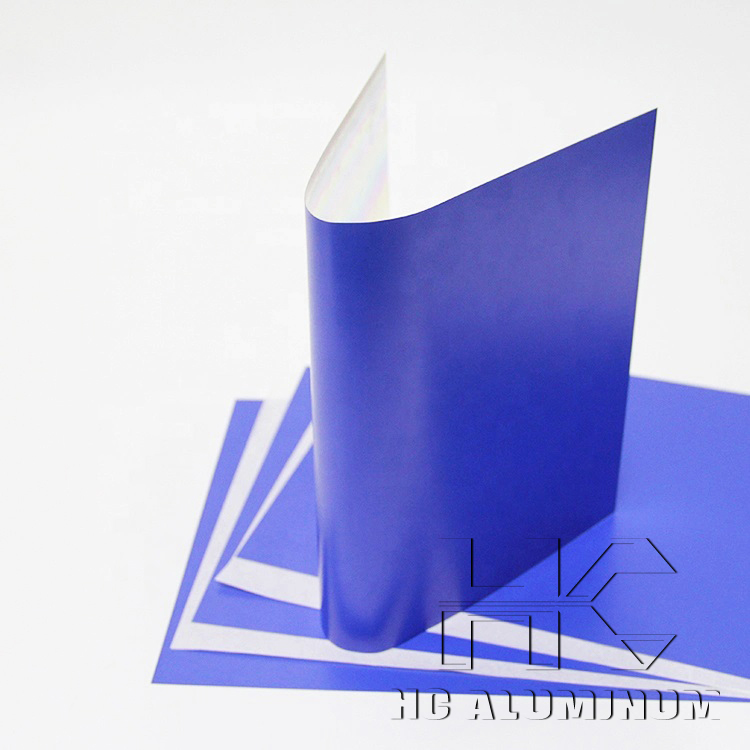
CTCP plates are widely used in the printing industry, especially for high-volume commercial printing jobs where speed and quality are crucial.
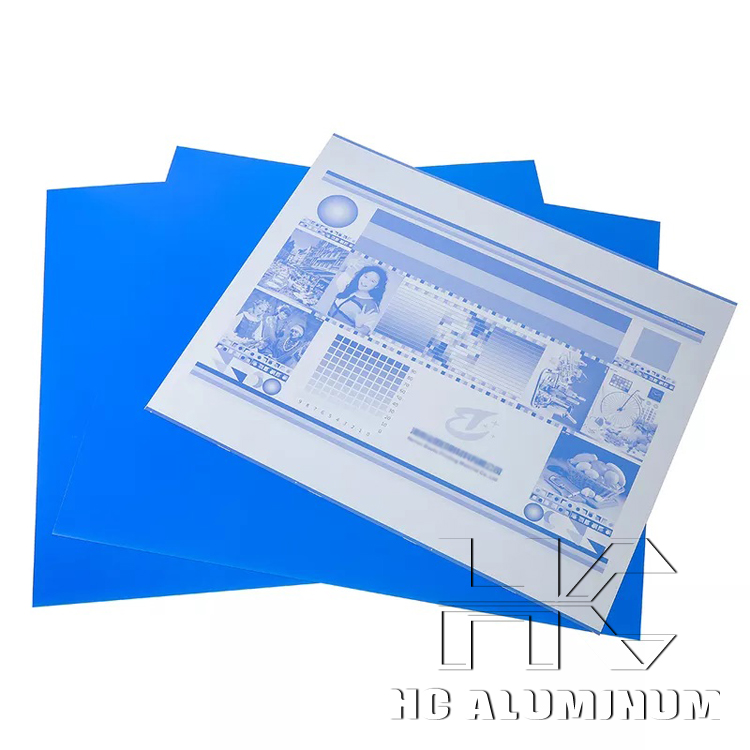
Thermal CTP plates have the advantages of fast plate making speed, high tolerance, accurate dot reproduction, excellent ink balance, etc., and are widely used in the printing industry.
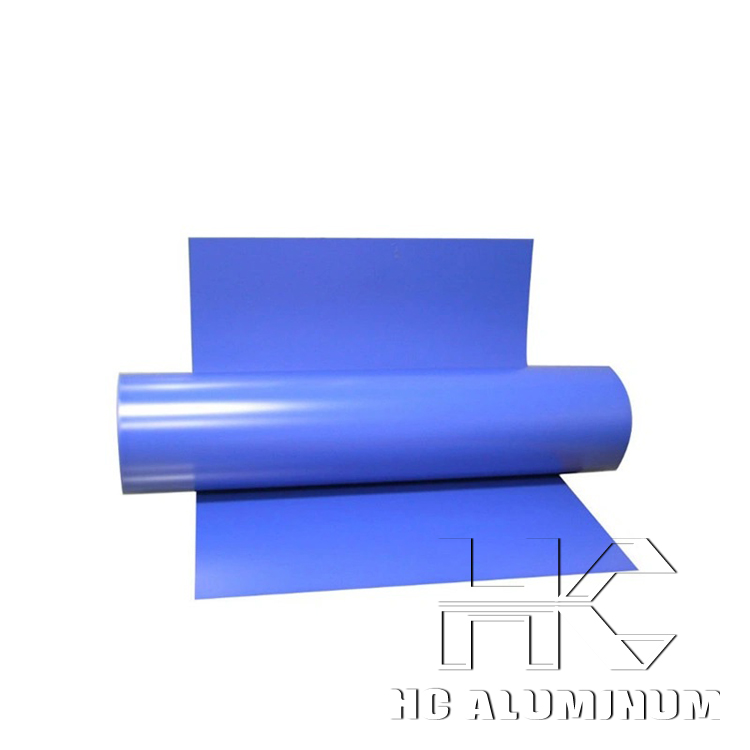
Processless thermal CTP plate is a type of plate material specially designed for computer-to-plate (CTP) technology, featuring significant characteristics such as environmental protection, high efficiency, and high quality.
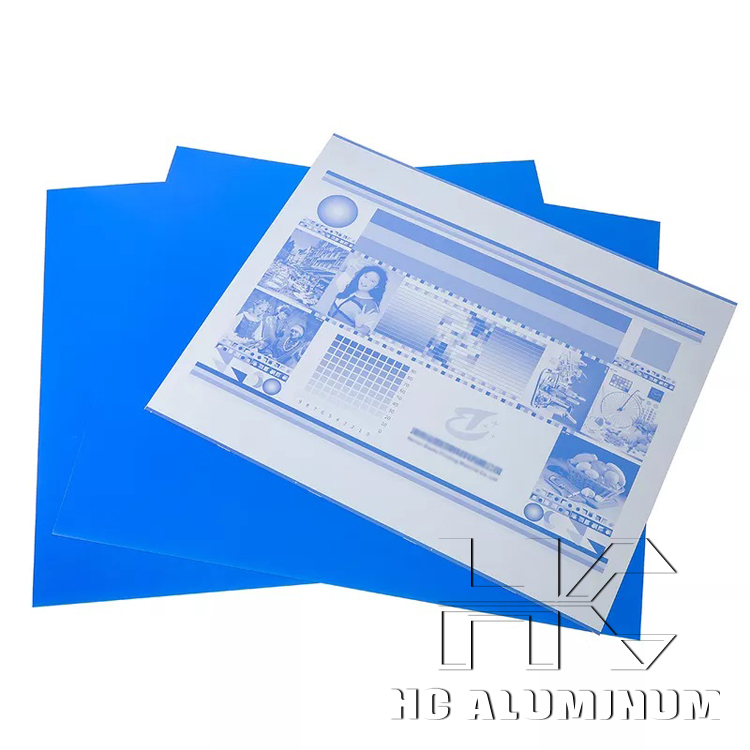
Double-layer coated thermal CTP plates are usually used for printing jobs that require high quality and efficiency.
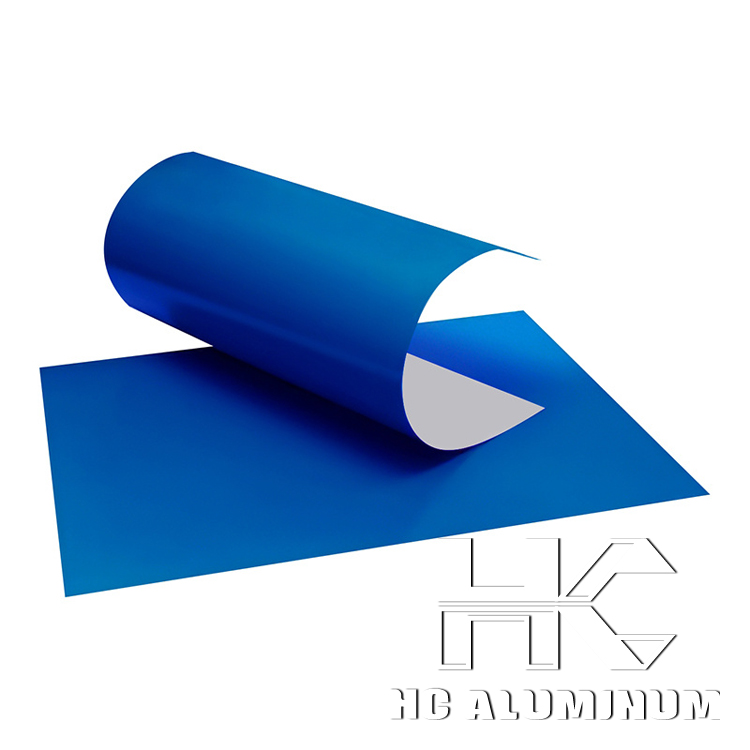
The double layer coated sunlight type CTCP plate has high sensitivity, good developing latitude, excellent resolution, consistency, chemical resistance, and printing effect without the need for baking.
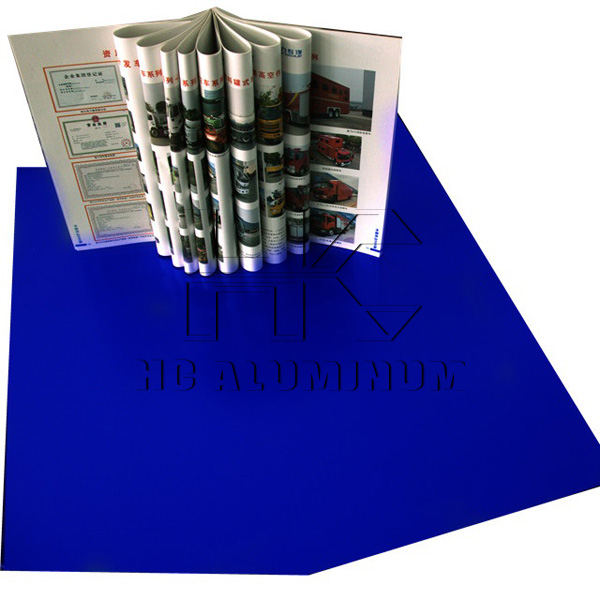
The biggest advantage for printing companies to use blue CTCP printing plates is the simplification of production processes and the improvement of efficiency.

Learn how a thermal CTP plate improves offset printing presses with stable imaging, faster make-ready, clean dots, and dependable performance for shops.
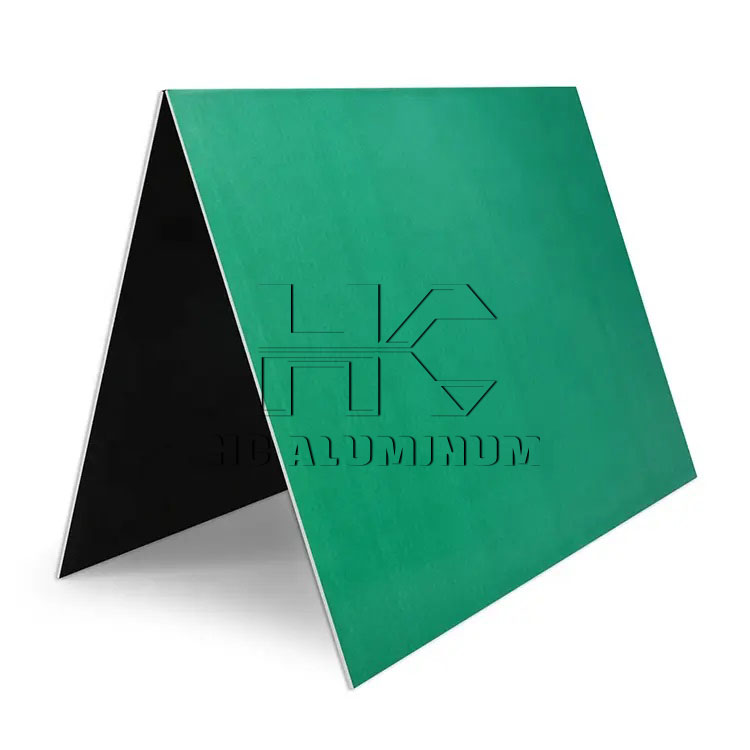
Printed aluminum plate usually uses aluminum alloy as the substrate, commonly used 1050 aluminum alloy, 1060 aluminum alloy, 1070 aluminum alloy, etc.
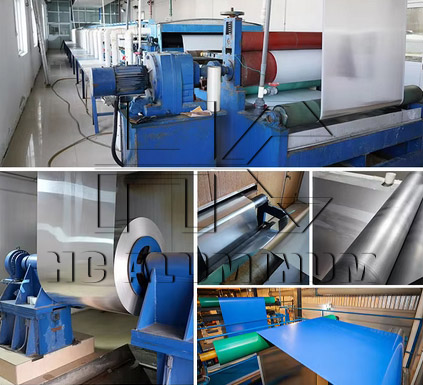
MC Aluminum is a manufacturer specializing in the production of 1060-h18 aluminum sheets for printing platemaking. The thickness range of production is between 0.13-0.40mm, and it can be customized.
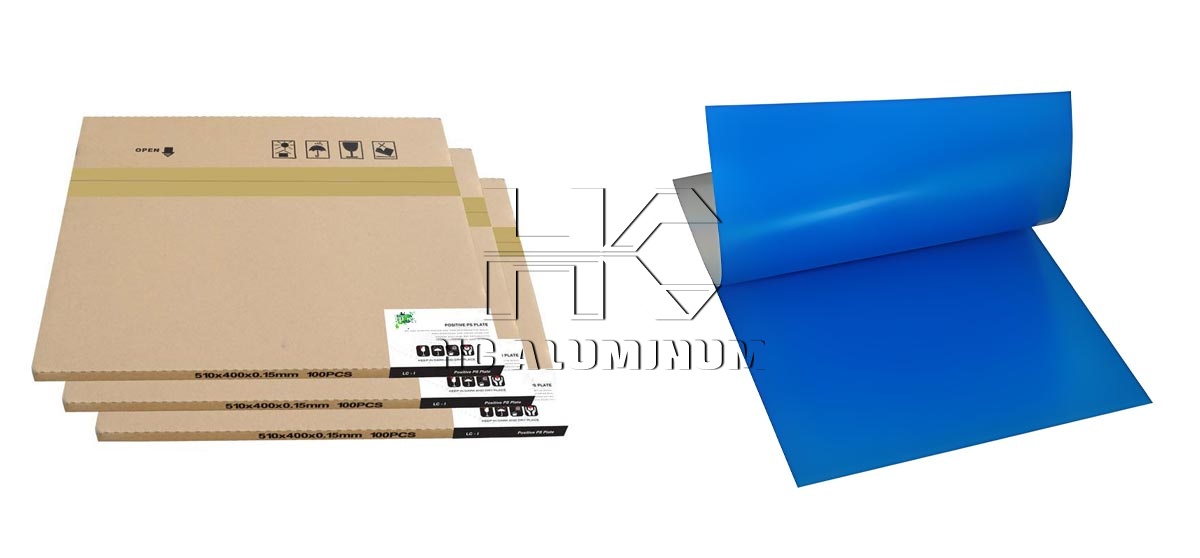
Our 830nm thermal CTP plates deliver reliable imaging, sharp offset output, and stable press performance for digital prepress and printing workflows.
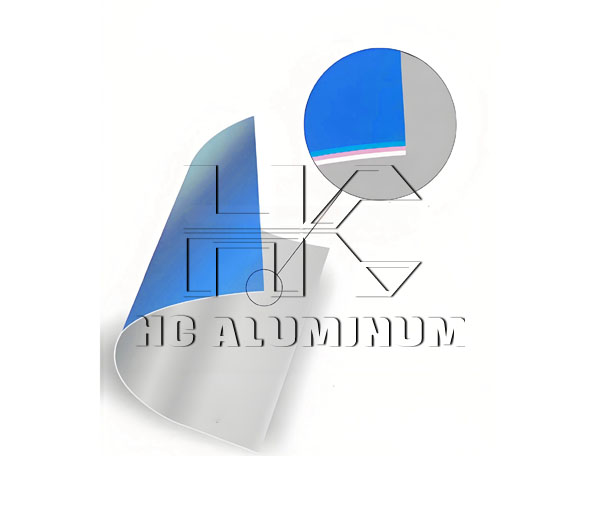
There are two main types of common CTP plates: Violet CTP and Thermal CTP.
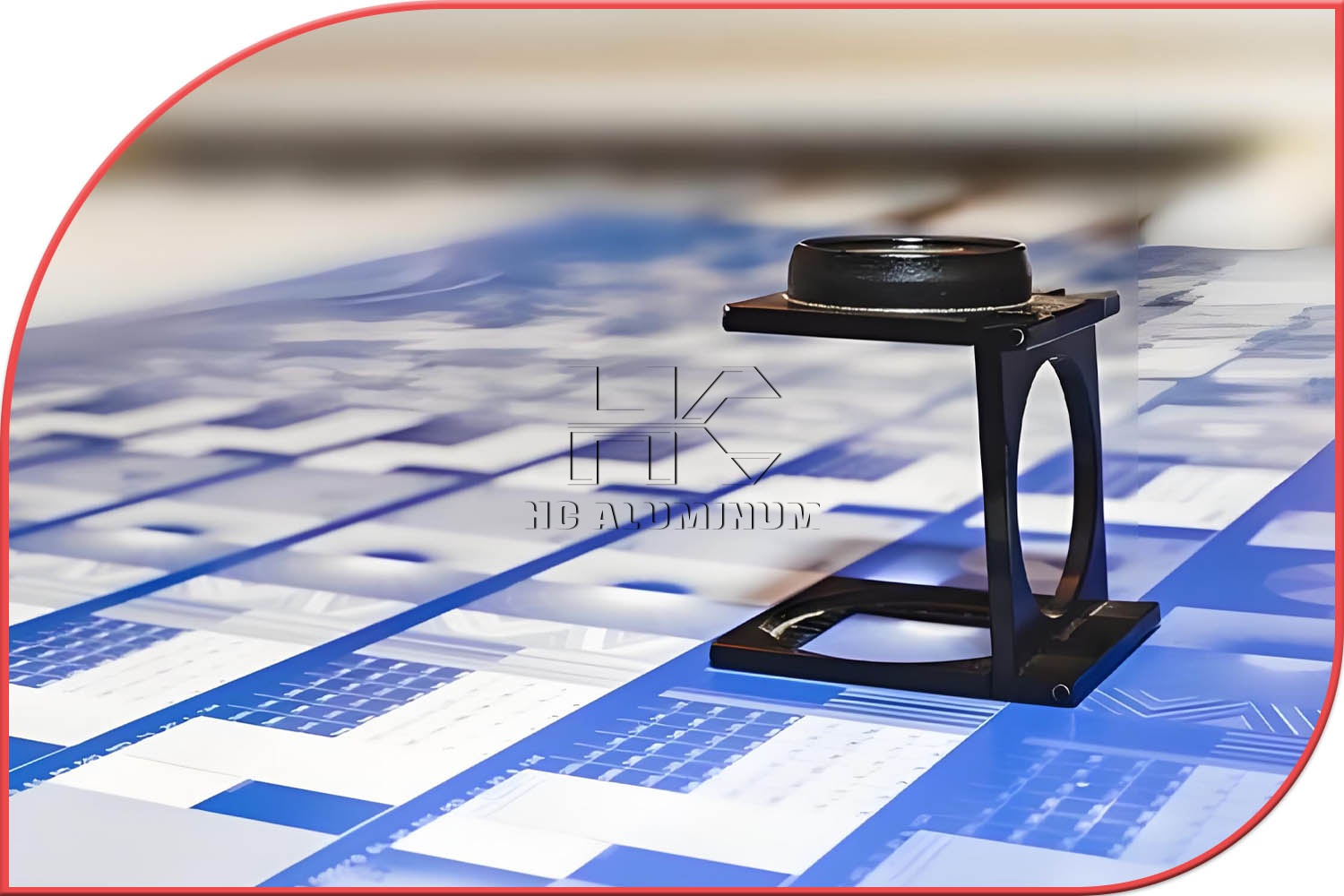
Explore our 0.15 mm to 0.30 mm blue double-layer thermal CTP plates for offset printing, engineered for stable imaging, clean dots, and dependable press runs.
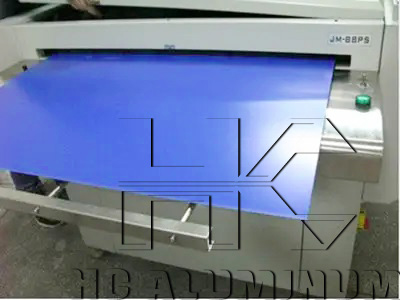
Aluminum plate base for printing plates is an aluminum base used to make printing plates (such as PS plates, CTP plates, etc.). It is widely used in offset printing plates such as positive PS plates, thermal CTP plates, photosensitive CTP plates, UV-CTP p
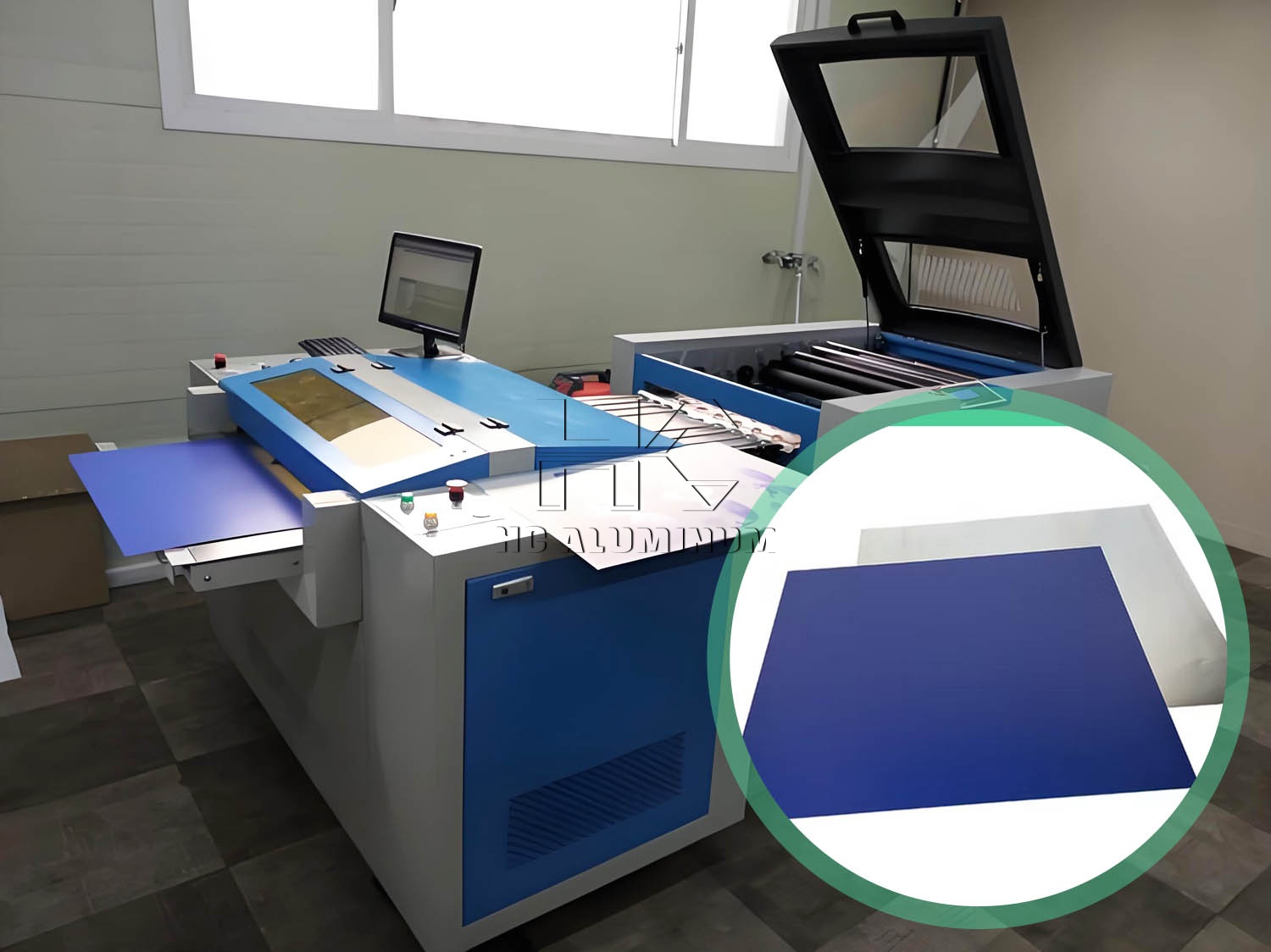
Discover how our high-sensitivity thermal CTP plates deliver sharp, consistent results and faster imaging for packaging and commercial offset printing
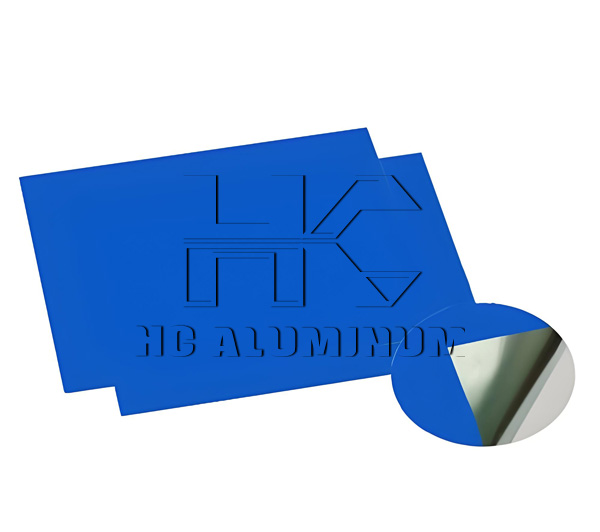
Hongchang Aluminum currently produces four main types of CTP plates, including heat-sensitive, silver salt, photopolymerization and processing-free types.
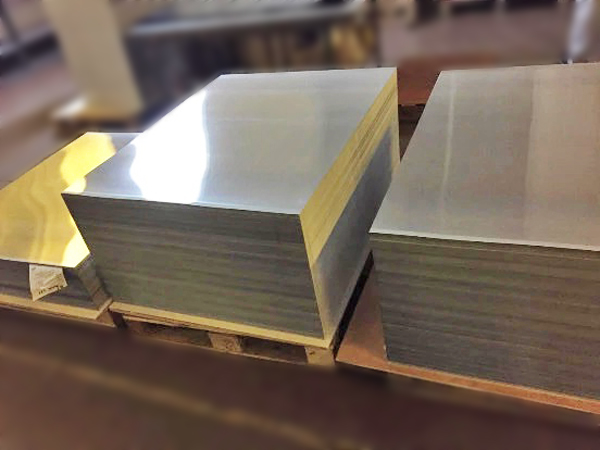
CTP aluminum substrate made of 1050, 1060, 1070 aluminum sheets, these aluminum alloys are known for their high purity and good processing performance. 1 series aluminum plate can provide good conductivity, ductility and corrosion resistance, suitable for
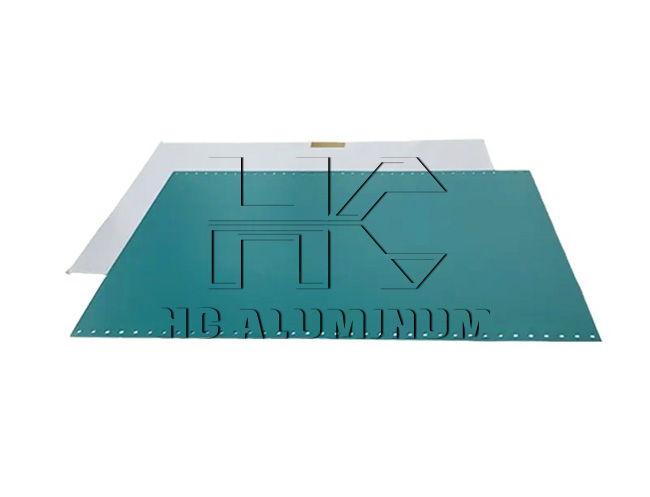
PS plates are offset printing plates made of aluminum plates (1050/1060/1070) as the base material and pre-coated with a photosensitive layer. They are widely used in various printing processes.
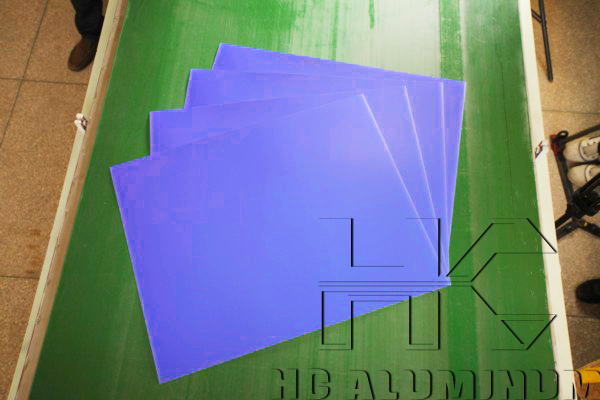
The alloys used for aluminum base sheet production in CTP sheet production are usually 1050, 1060 aluminum coil, etc. Aluminum coil is usually highly processed aluminum, and the surface is anodized to improve corrosion resistance and prepare for subsequen
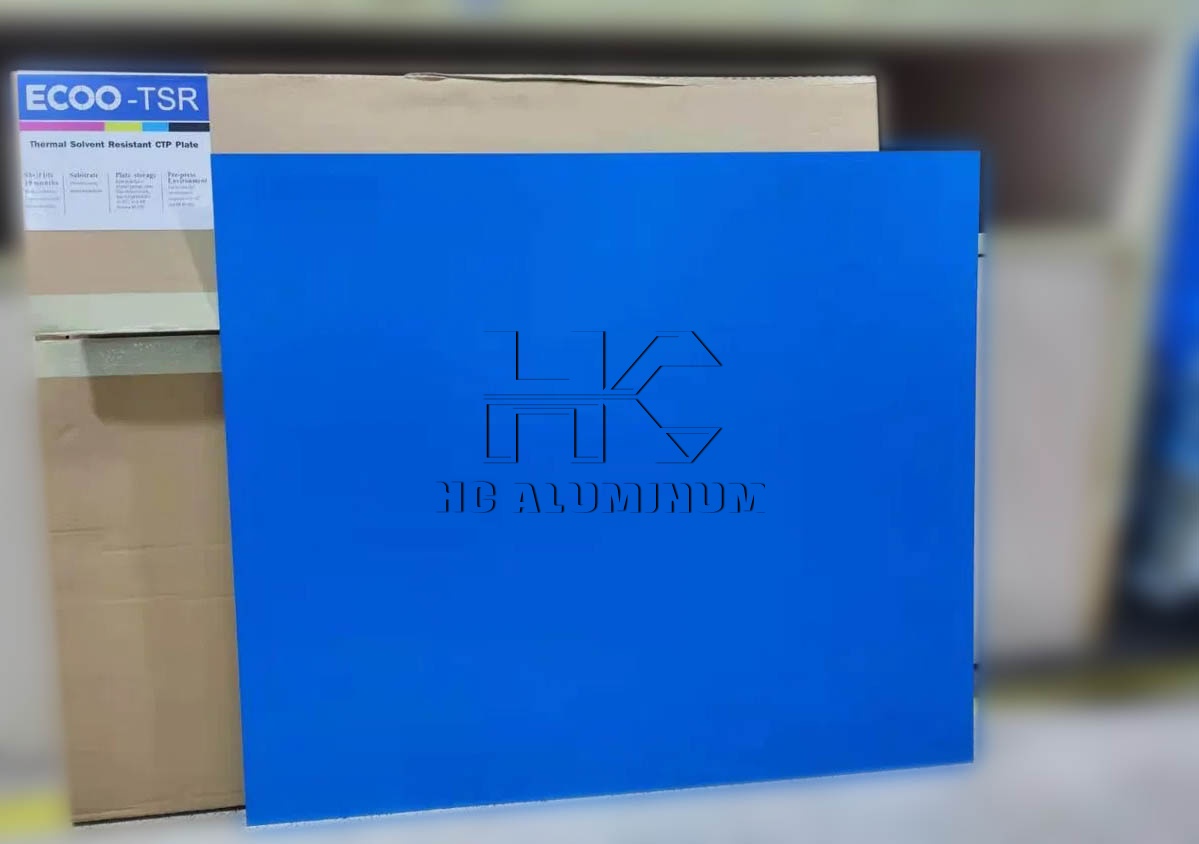
Learn how high sensitivity thermal CTP plates work at 830 nm, what affects stability and dot gain, and how to choose for press latitude and cost.

Blue Thermal CTP Printing Plates designed for 830nm thermal imaging deliver high resolution, stable dot reproduction, and long run length. Compatible with mainstream CTP systems, suitable for commercial, packaging, and newspaper printing applications.
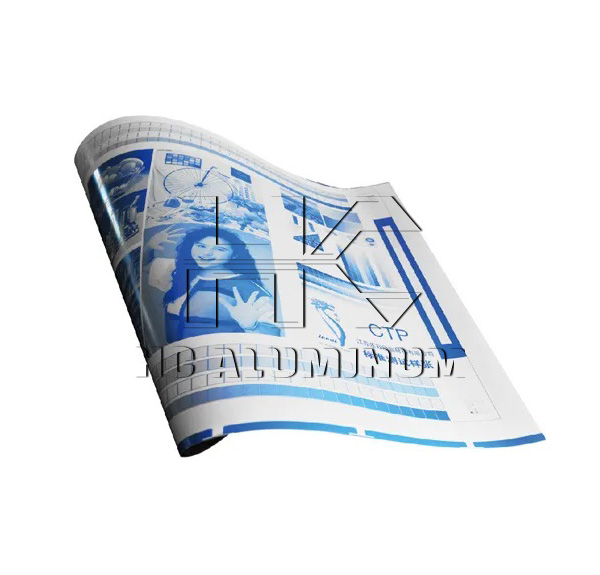
CTP plate is a printing plate that is directly exposed and imaged by a computer platemaking system, eliminating the complex film process in traditional platemaking and greatly improving platemaking efficiency and printing accuracy.
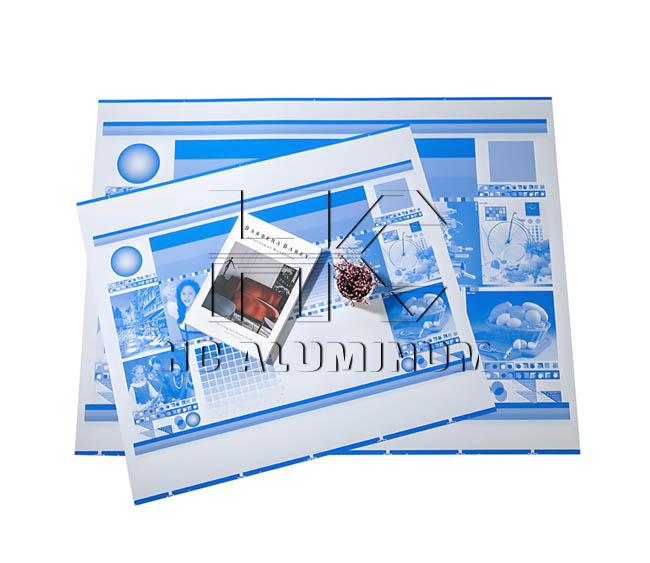
CTCP (Computer to Conventional Plate) printing plate refers to the use of traditional PS plates with direct digital imaging, forming a new generation of UV-CTP plates.
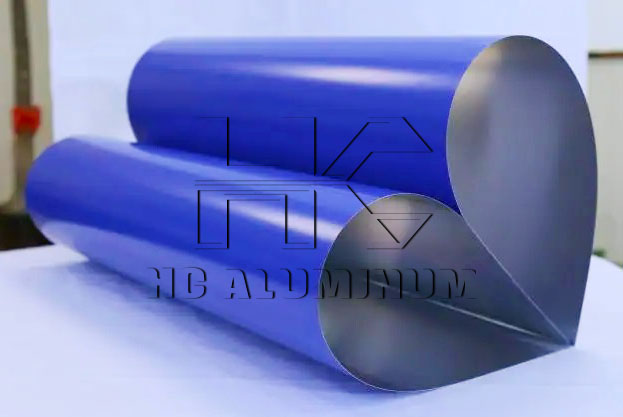
Aluminum strip is a special aluminum-based material dedicated to the printing industry, mainly used to make printing plates for computer direct platemaking (CTP, Computer-To-Plate) technology. This kind of aluminum strip plays an important role in the mod
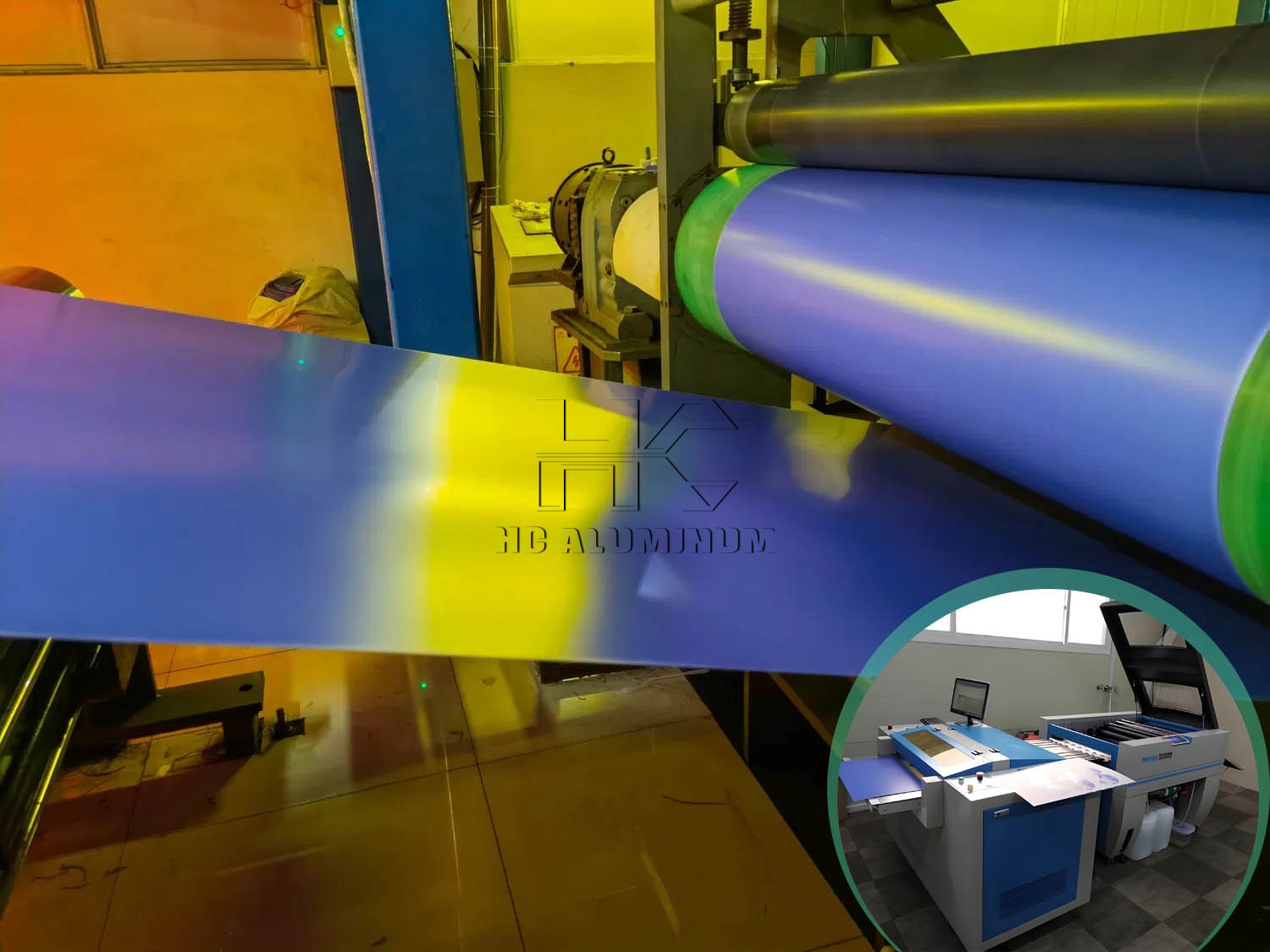
Learn thermal CTP plate storage requirements, including temperature, humidity, handling, and shelf-life tips for stable print quality.

PS plate is a printing plate commonly used in lithography. It is made by coating a layer of photosensitive material on an aluminum plate substrate.
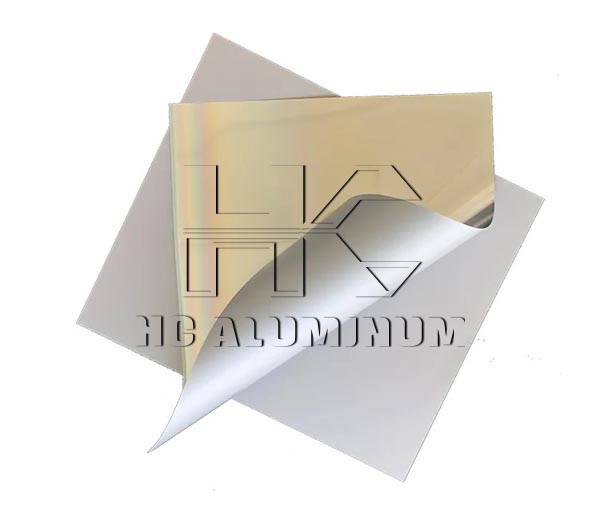
Processless thermal CTP plates use 830 nm thermal imaging technology and require no chemical development, offering high plate-making efficiency and excellent stability, making them ideal for high-volume commercial and packaging printing applications.
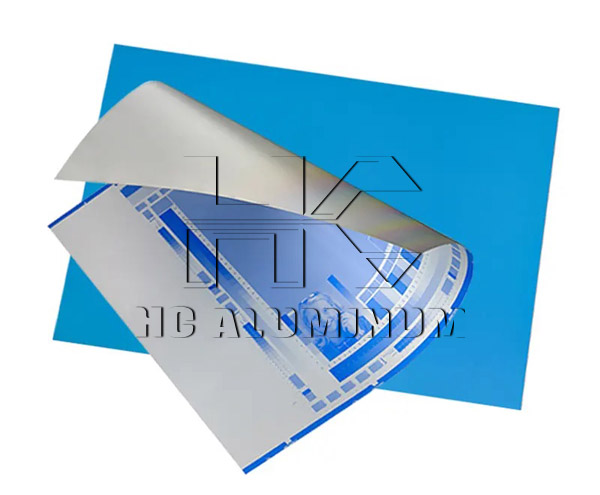
In CTP printing aluminum substrates, the commonly used aluminum plate base alloys are 1050, 1060, etc.
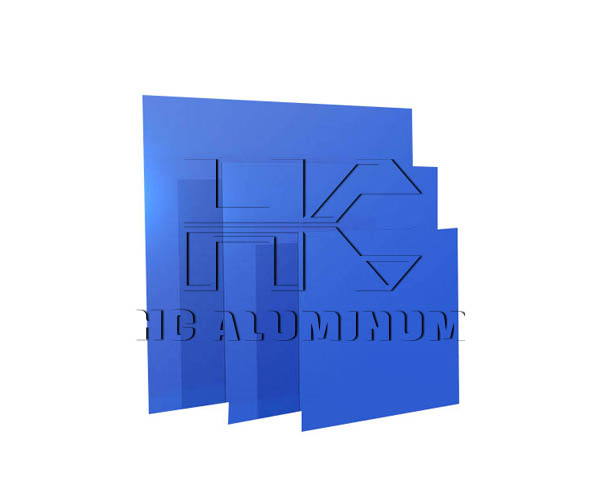
A thermal CTP plate is an aluminum-based printing plate coated with a thermally sensitive imaging layer. It is imaged by an 830 nm thermal laser CTP setter without the use of film, significantly improving prepress efficiency.
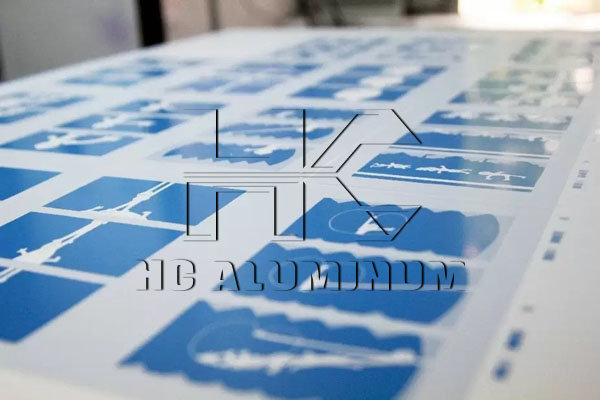
Blue thermal CTP printing plate is the core material in modern printing technology and is widely used in various types of high-precision and large-scale printing production. This printing plate combine
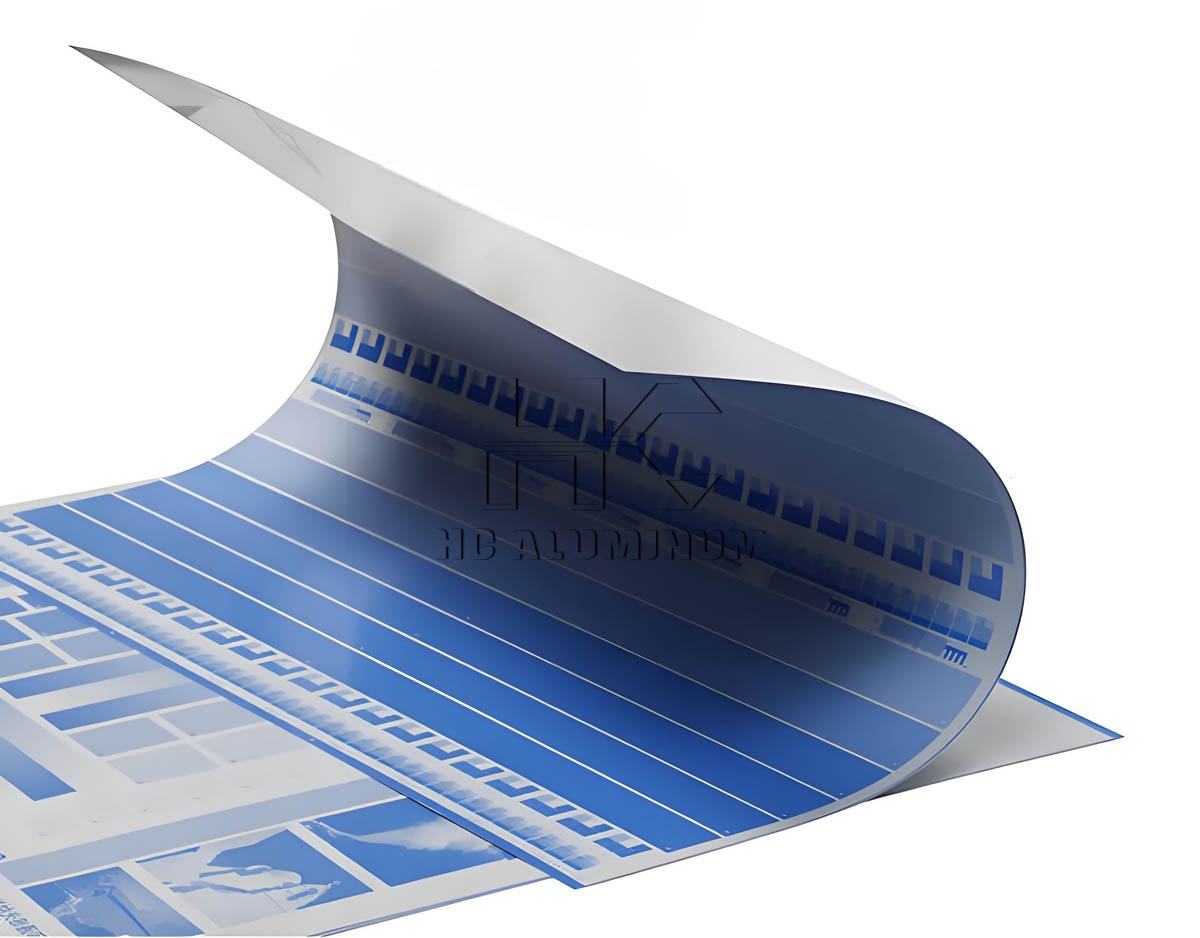
Thermal CTP plate for packaging printing with thermal imaging, robust coating system, and anodized aluminum substrate for stable dot reproduction and press run stability.
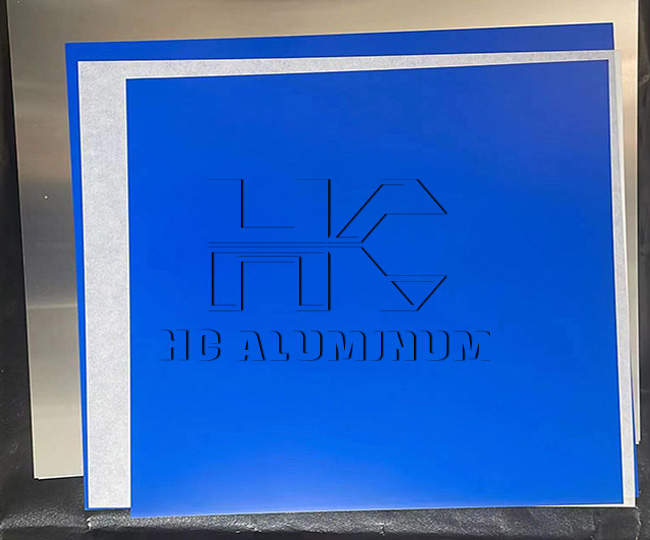
In the field of newspaper printing, offset printing technology has become mainstream due to its fast speed, stable printing quality and adaptability to large-scale printing.

Discover how our double-layer thermal CTP plates deliver long run length, reliable imaging, stable printing quality, and efficient offset presswork daily.
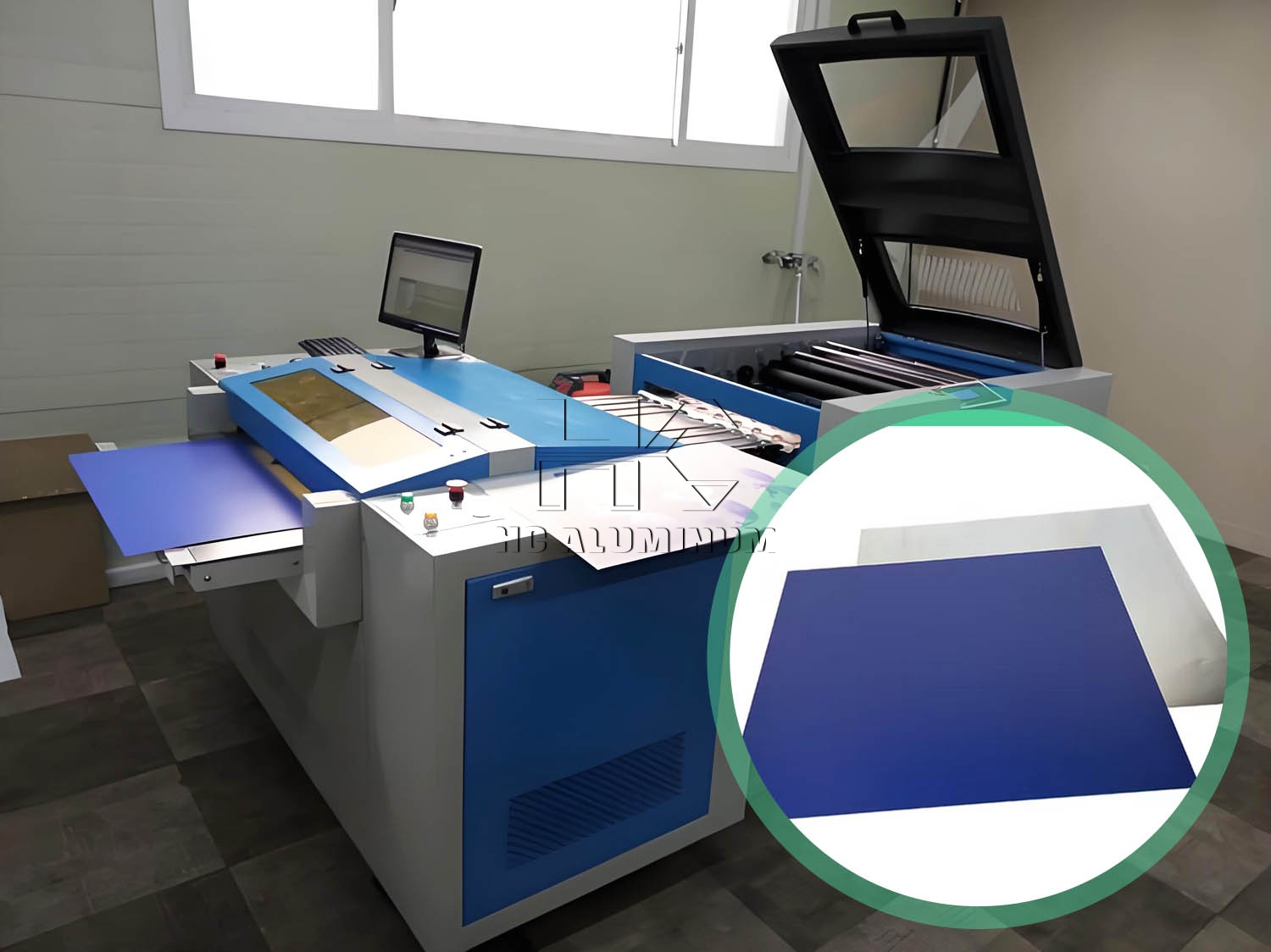
Chinese supplier and manufacturer of offset thermal CTP plates offering stable quality, clear imaging, and reliable support for offset printing.
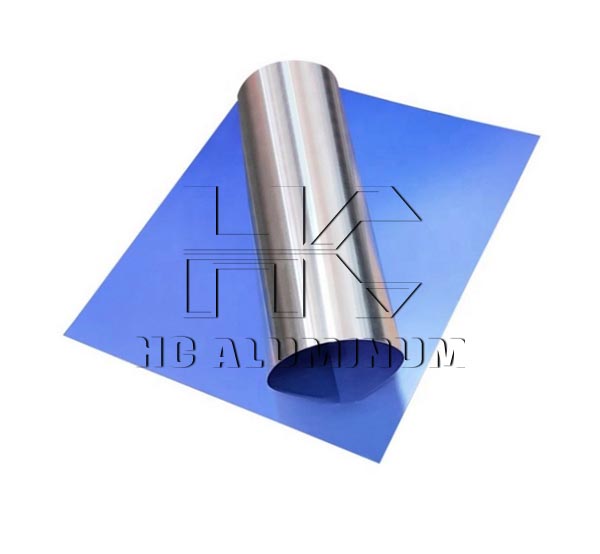
Thermal CTP plates are commonly available in thicknesses of 0.15mm, 0.20mm, 0.25mm, and 0.30mm. They use thermal technology and are imaged by an 830nm infrared laser, requiring no chemical development, making them suitable for commercial printing applicat
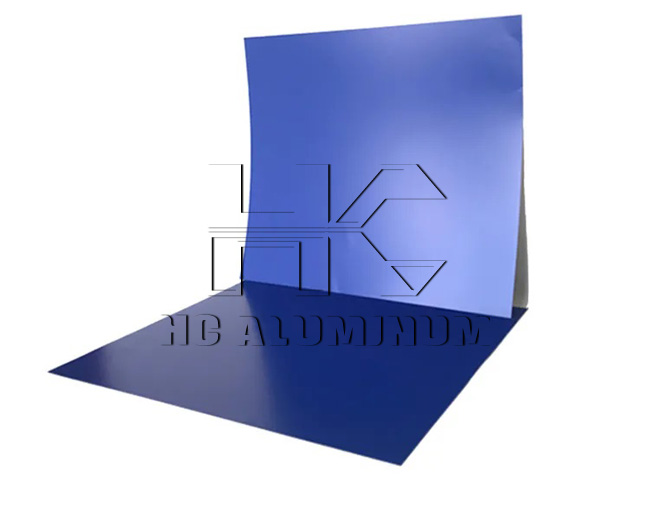
1350mm CTP plates, featuring high stability, durability, and excellent photosensitivity, are widely used in high-end printing applications. Available in a variety of custom sizes, they help printing companies improve efficiency and quality.
Hongchang Aluminum is a professional printing plate manufacturer. Its main products include PS plates, CTP plates, CTCP plates, treatment-free plates, photosensitive plates, etc.