
If you have any questions, you can directly consult our online customer service. You can visit us online via WhatsApp. We look forward to your visit.
WhatsApp:8618703635966 Online
Thermal Ctp Plate For Heidelberg Press
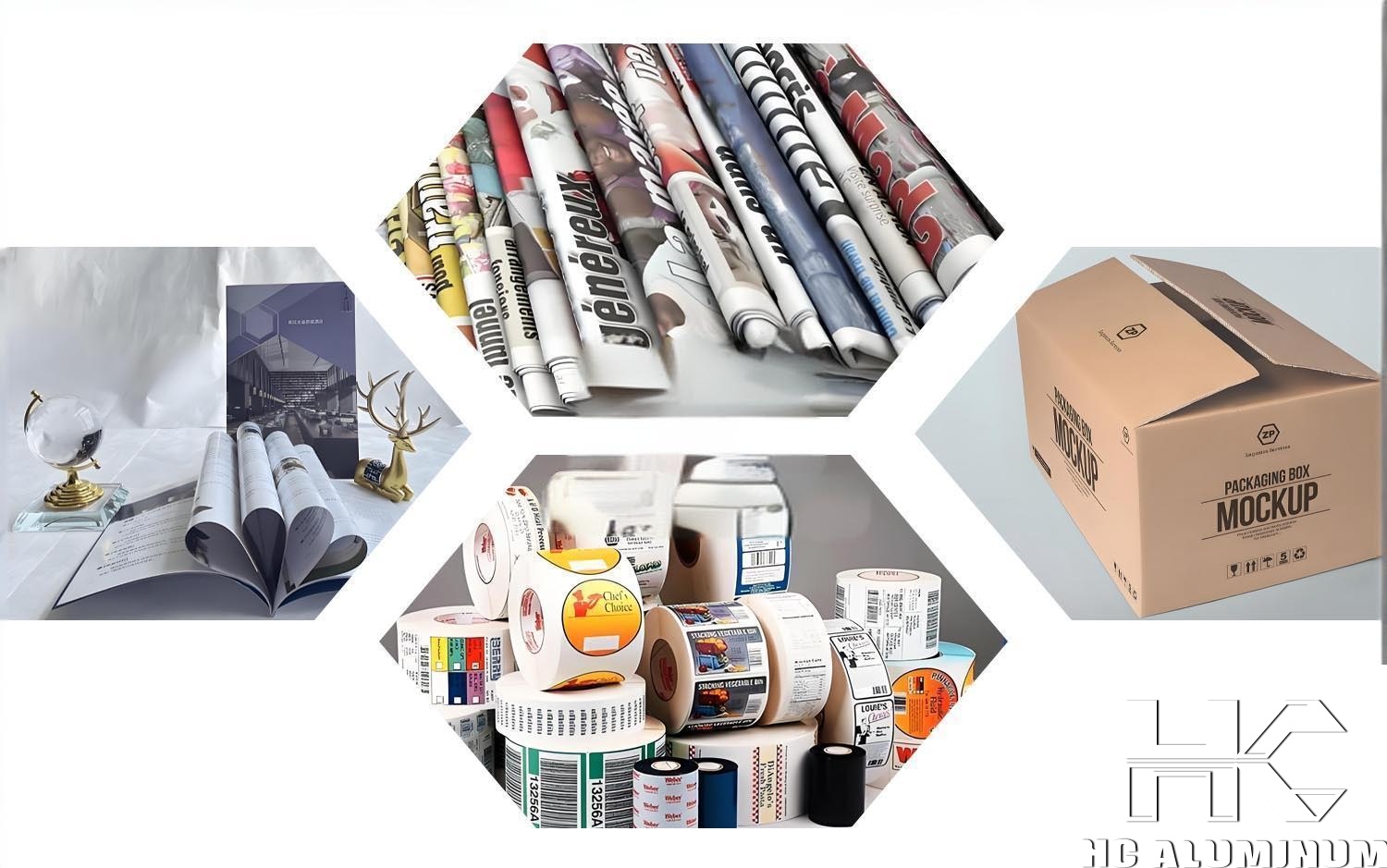
Thermal CTP plates for Heidelberg press platforms are positioned as high-stability, high-resolution offset printing plates engineered to maintain consistent dot reproduction, ink-water balance latitude, and run length under demanding sheetfed and commercial environments. Typical application scenarios include magazines and catalogs, premium brochures, folding carton packaging, and label work where color consistency and plate-to-plate repeatability are critical.
Introduction to Thermal CTP Plates
Material architecture built around a controlled aluminum base
A reliable thermal CTP plate starts with an aluminum substrate designed for dimensional stability, surface uniformity, and strong anchoring of the imaging layer. For Heidelberg sheetfed presses, the plate must withstand repeated clamping, cylinder wrap, and fountain solution exposure without micro-slippage or premature wear.
The core is typically 1050/1060 aluminum plate, selected for its balance of formability and strength. What matters most for print performance, however, is not only the alloy but the engineered surface topography and oxide structure. After mechanical and/or electrochemical graining, the surface develops a controlled micro-roughness that increases effective surface area and improves water retention in non-image areas. This is followed by anodizing, producing a hard, porous aluminum oxide layer that provides:
Strong adhesion interface for the thermal imaging coating
Improved abrasion resistance and scumming resistance
Better chemical durability against developers, gum solutions, and fountain chemistry
A well-controlled graining and anodizing window is essential for Heidelberg press latitude: too smooth and the non-image areas lose water-holding ability; too rough and coating laydown uniformity and dot edge fidelity can suffer.
Coating system: thermal imaging layer tuned for resolution and latitude
The defining element of a thermal plate is its near-infrared sensitivity (typically 830 nm) and a coating system that converts laser energy into a clean, controllable image. In practice, the coating stack is engineered to deliver stable exposure response across the plate width, minimize background staining, and support consistent development behavior.
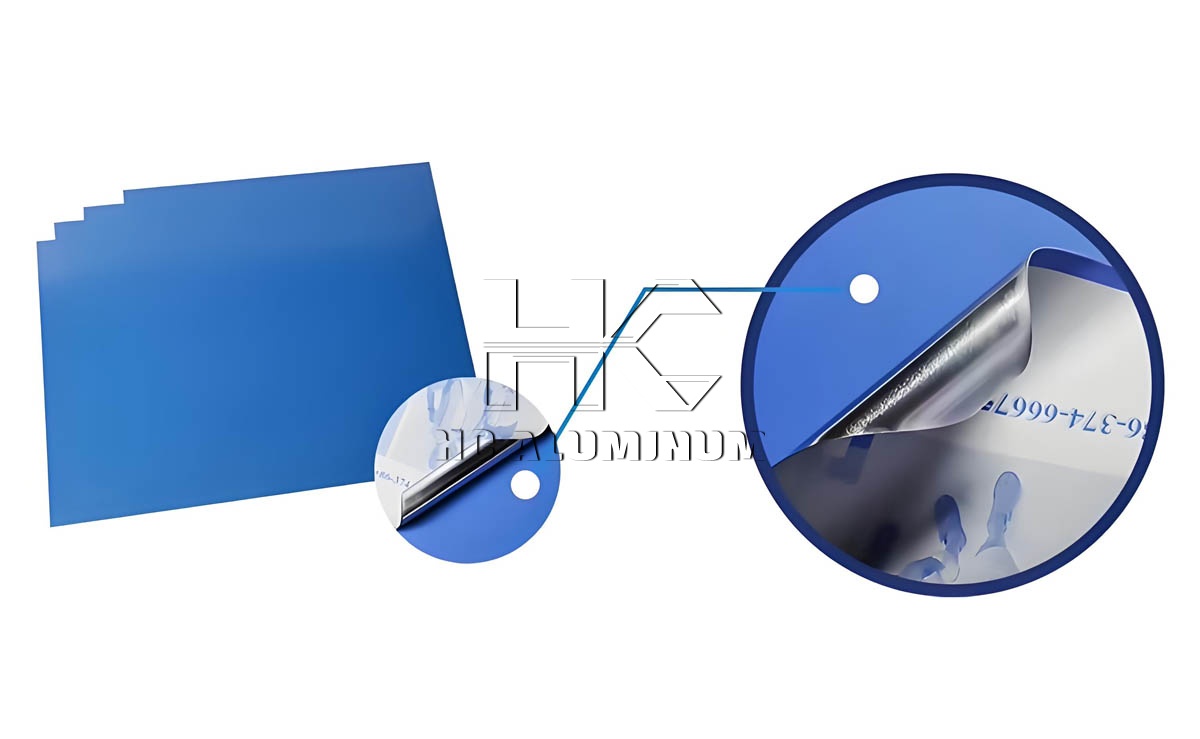
A typical thermal plate coating system integrates:
A thermal-sensitive imaging layer (often polymer-based) designed for high contrast between image and non-image areas
Functional additives to control energy threshold, resolution, and developer latitude
A protective topcoat (depending on plate type) to improve handling robustness, reduce scratching, and enhance safelight tolerance
For Heidelberg workflows, this coating design is generally optimized around consistent dot geometry at common commercial screening (AM/FM hybrid and standard AM), with particular attention to 1-99% dot capability and clean highlight retention. The practical outcome is more predictable plate behavior during start-up and fewer adjustments required to stabilize the ink-water balance.
Core Requirements for CTP Plates in Heidelberg Printing Presses
Heidelberg printing presses are renowned for their high speed, high pressure, and high stability, placing higher standards on plate performance, primarily in the following aspects:
1. Excellent Imaging Compatibility
Thermal CTP plates must be highly compatible with mainstream plate-making equipment such as the Heidelberg Suprasetter, ensuring consistent laser energy response, sharp imaging edges, and natural transitions between solid and halftone dots.
2. Stable Dot Reproduction Capability
At high line counts (175-300 lpi), thermal CTP plates must maintain complete dot shape, avoiding issues such as smearing, dot loss, or tonal loss during printing.
3. Excellent Print Durability
For the long-running needs of commercial and packaging printing, thermal CTP plates compatible with Heidelberg printing presses typically possess a print durability of 100,000–300,000 impressions or more, which can be further improved after plate baking treatment.
Key Advantages of Heidelberg Thermal CTP Plates for Printing Presses
1. High-Precision Printing Output
Thermal CTP plates feature extremely low laser scattering and a stable coating structure, fully leveraging the mechanical precision of Heidelberg printing presses to achieve highly consistent batch printing.
2. Significantly Improved Production Efficiency
Fast plate-making speed and excellent repeatability reduce rework rates, making them particularly suitable for high-end brochures, pharmaceutical packaging, food packaging, and other printing applications with extremely high requirements for color and detail.
3. Stable Operation and Low Wear and Tear
High plate strength and uniform hydrophilicity prevent smudging and wear under high-speed printing conditions, effectively reducing downtime for adjustments.
4. Energy Saving and Environmental Protection (Trend Towards Process-Free Printing)
Current process-free thermal CTP plates can be directly developed on the press, eliminating the need for a developing machine and chemical solutions. This is both environmentally friendly and space-saving, aligning perfectly with Heidelberg's advocacy of "green printing."
Core specifications (typical)
Table: Core Specifications for Thermal CTP Plate for Heidelberg Press
| Item | Typical Specification Range | Notes |
|---|---|---|
| Plate type | Thermal positive-working (developer) or thermal processless (optional) | Selection depends on processor availability and chemistry preferences |
| Imaging wavelength | 830 nm (NIR) | Compatible with mainstream thermal CTP engines |
| Substrate | Grained and anodized aluminum | Controlled roughness and oxide porosity for adhesion and hydrophilicity |
| Plate thickness | 0.15 mm, 0.20 mm, 0.30 mm, 0.40 mm | Chosen by format and press cylinder requirements |
| Spectral sensitivity | Optimized for thermal diode exposure | Stable threshold supports consistent plate curves |
| Resolution capability | Suitable for high-line screening and fine text | Actual result depends on RIP, screening, and exposure calibration |
| Run length | Medium to long run (job-dependent) | Influenced by stock abrasiveness, chemistry, and press conditions |
| Safelight handling | Designed for standard plate-room conditions | Follow plate supplier's safelight compatibility guidance |
| Storage and transport | Moisture-controlled packaging | Prevents oxidation and coating damage during handling |
Integration considerations: imaging, processing, and press chemistry
A thermal plate's performance on Heidelberg is ultimately the interaction of three systems: imaging energy, processing conditions (or processless cleaning behavior), and press chemistry.
Imaging energy consistency supports predictable dot gain and reduces the need for frequent recalibration.
Developer activity, temperature, and replenishment (for processed plates) determine how cleanly non-image areas open and how stable the image edge remains.
Fountain solution conductivity, pH, and additives affect non-image hydrophilicity and the plate's resistance to toning.
When these parameters are aligned with the plate's coating design and the aluminum base's anodic structure, the result is a stable plate that holds its curve and supports consistent color through the full production window.
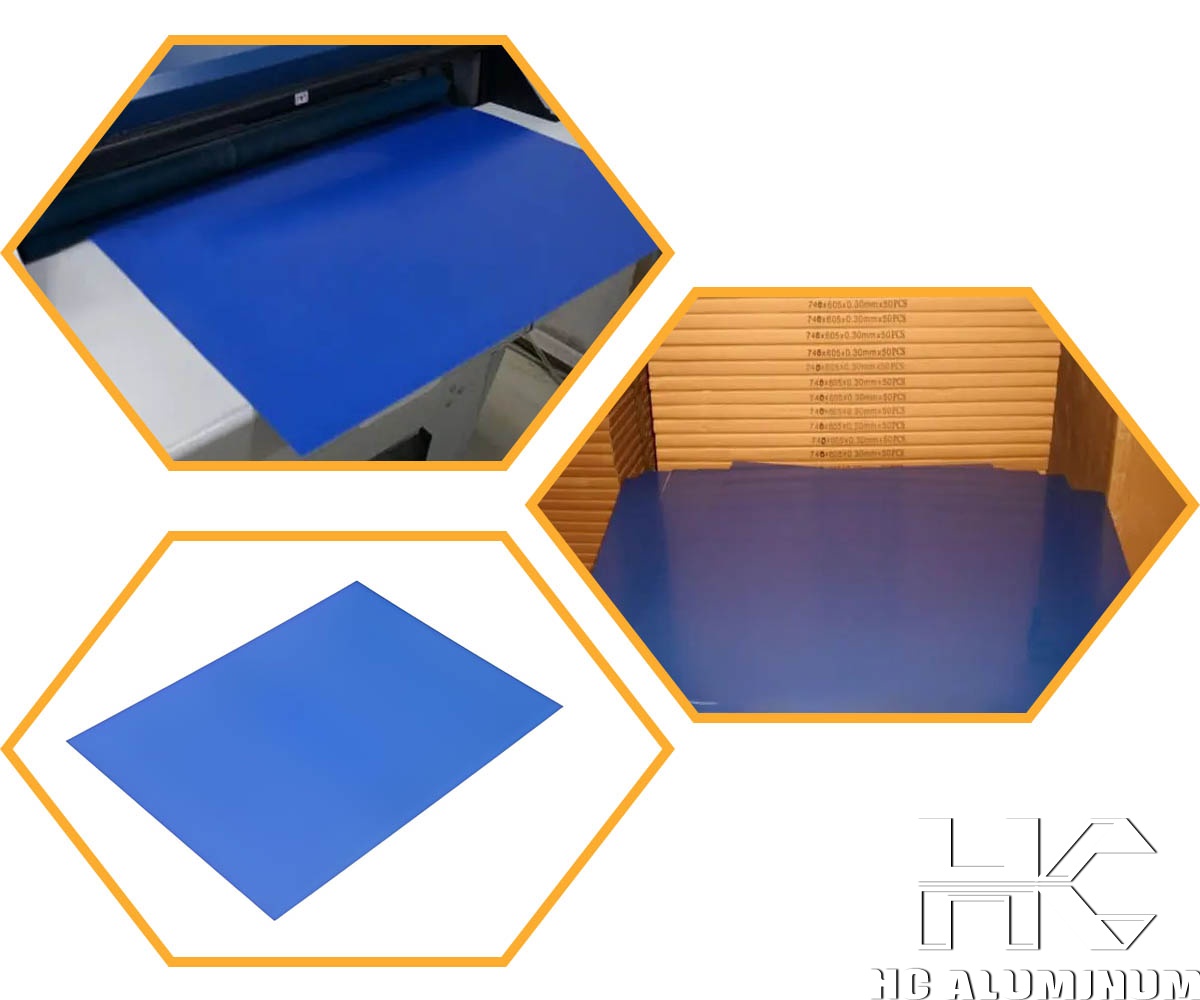
Typical Application Areas
Thermal CTP plates suitable for Heidelberg printing presses are widely used in:
Commercial brochures and high-end promotional materials
Publications and book printing
Pharmaceutical and food packaging
Label and premium packaging box printing
In these fields, thermal CTP plates are not only plate-making materials, but also an important guarantee for ensuring the consistent output of brand printing quality.